
All photos © Robin and Arlene Karpan
2025 brought some wonderful photo opportunities. One highlight was a trip to the island of Madeira, where it was one spectacular view after another, practically everywhere we went. Our visit to Mexico’s Baja California Sur brought a combination of desert and coastline scenery as well as exceptional wildlife (which will be part of our next posting on favourite wildlife images of 2025).
A Canadian highlight was our trip to Quebec, where we visited the Saguenay Fjord and the Lac Saint-Jean area, and then did a road trip along the north shore of the St. Lawrence River. The top spot for photography was the islands of Mingan Archipelago National Park, where huge monoliths are scattered along the shoreline.
And, as usual, we didn’t have to travel far from home to find some wonderful photo opportunities, such as the Cypress Hills, Prince Albert National Park, and in nearby provinces of Alberta and Manitoba. Here are 10 of our favourites for different reasons.
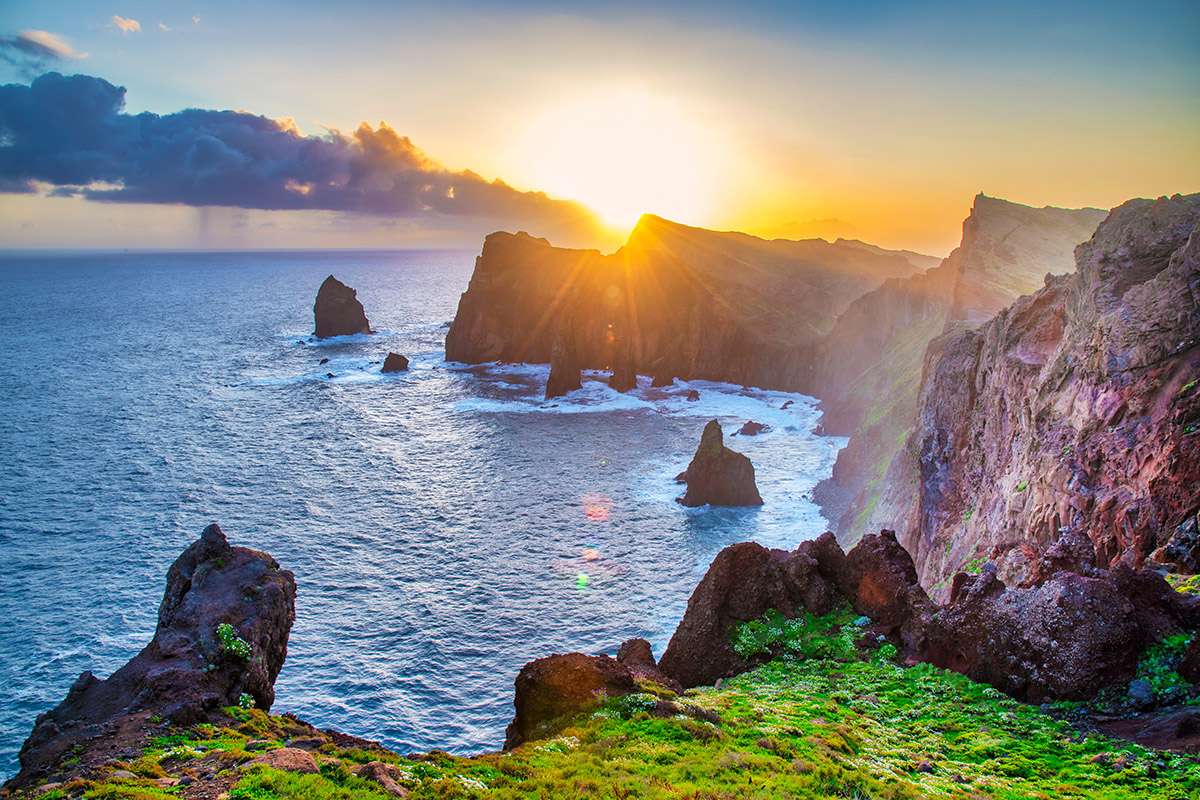
Madeira, a Portuguese island in the Atlantic Ocean, is incredibly mountainous with rugged cliffs coming down to the water’s edge in many places. Ponto do Rosto is near the eastern tip of the island, making it a prime spot to come for sunrise.
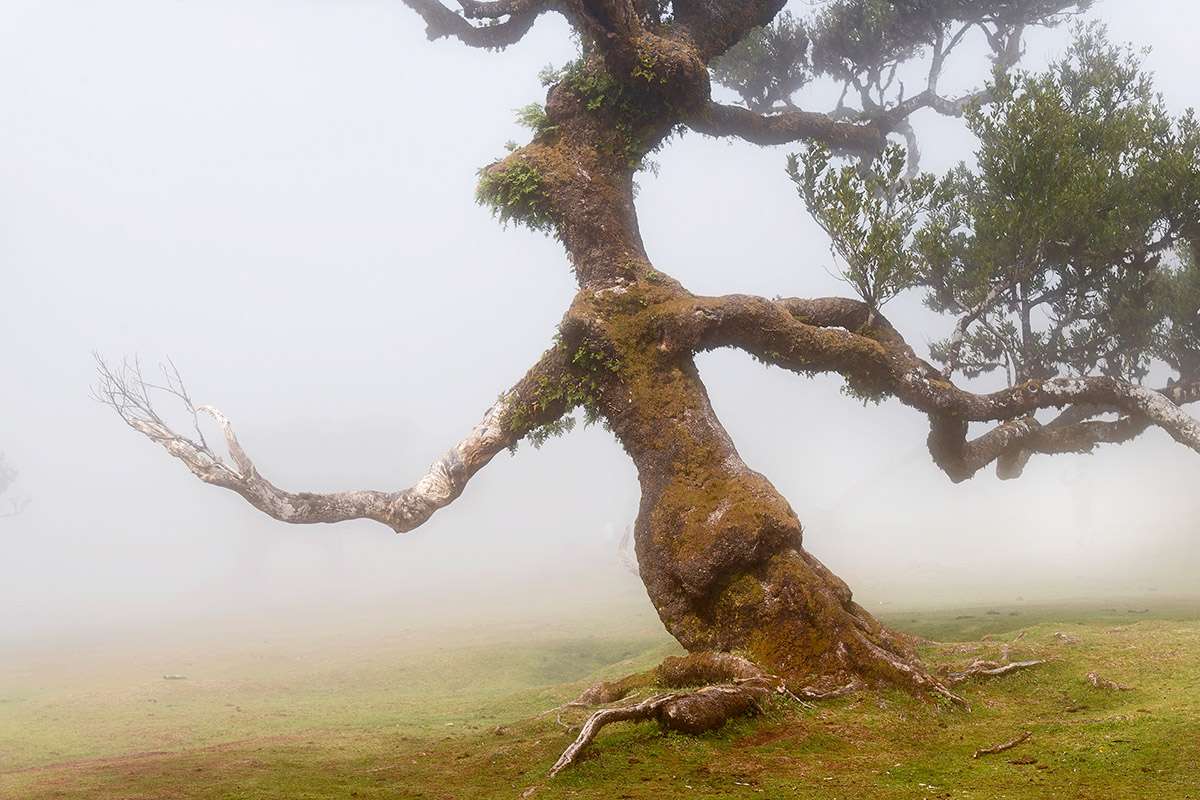
The Fanal Forest is part of a UNESCO World Heritage Site preserving the largest remnants of increasingly rare ancient laurel trees. One tree dubbed the “Witch” seems to come to life when the forest is shrouded in fog. This ethereal landscape was our favourite place in Madeira, and one which we visited a few times. For more details, see our posting Photographing the Fanal Forest.
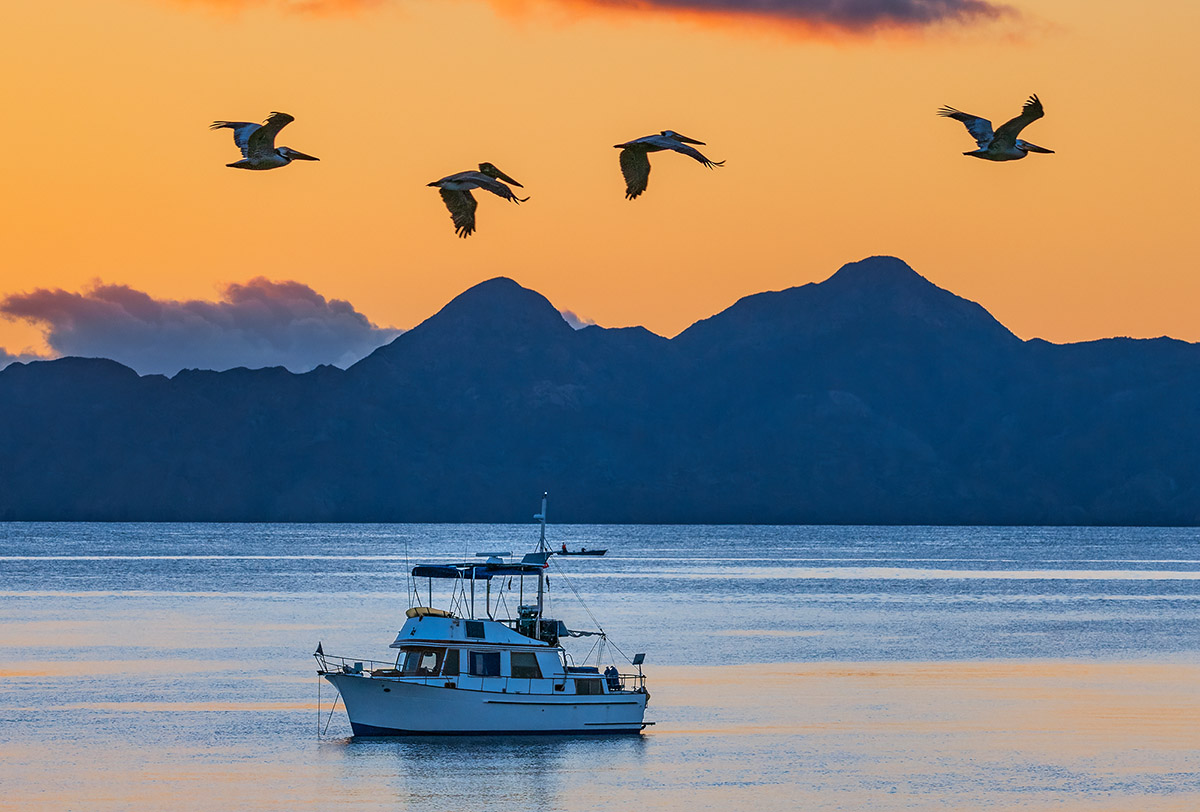
Loreto is a pleasant colonial town in Baja California Sur, Mexico. The main street and many of the hotels face east over the protected bay and islands of the Gulf of California, making this a prime spot for sunrise. This morning, a fishing boat and flying pelicans added to the colorful scene. For more on Loreto, see our posting Exploring Loreto – Mexico’s Magic Town.
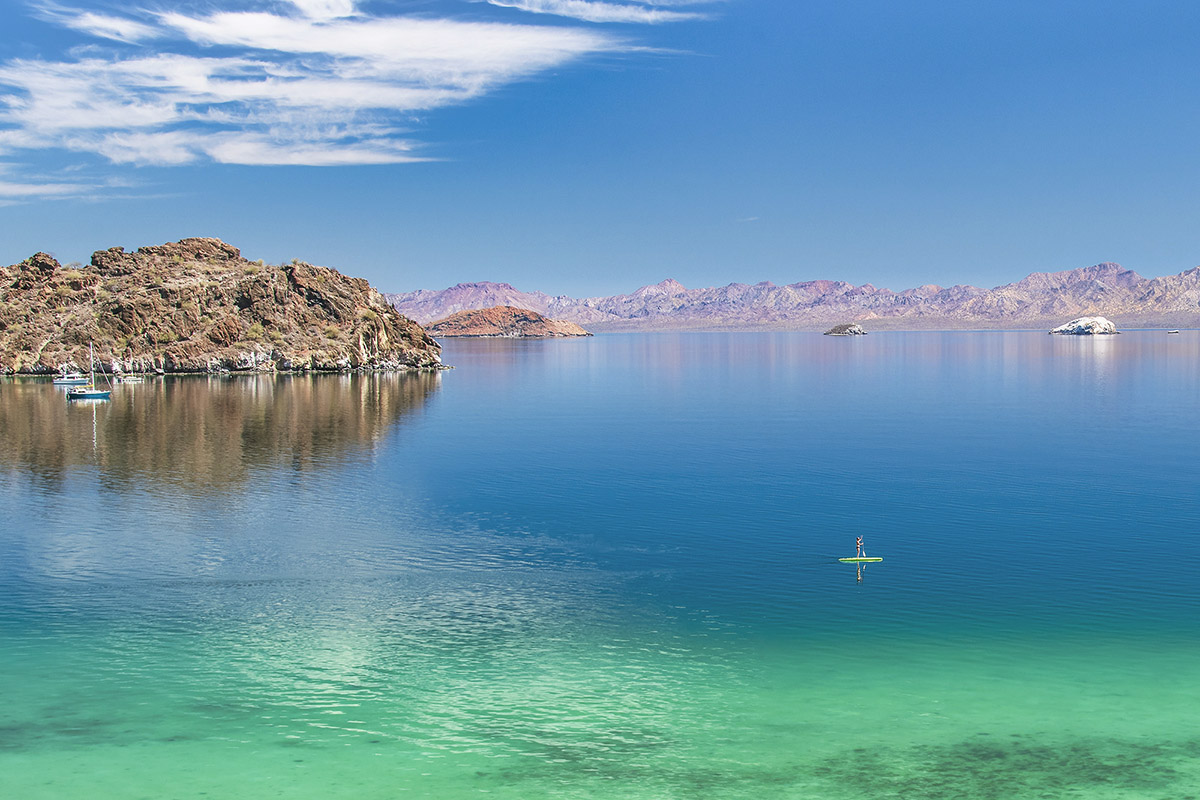
Conception Bay is a large protected inlet on the Gulf of California, north of Loreto, Mexico. The bay is famous for its beaches, rugged mountains, and clear, calm water with colours that look almost unreal. Besides the stunning scenery, it boasts a phenomenal amount of birdlife. We wrote about our experiences in this posting Exploring Mexico’s Conception Bay.
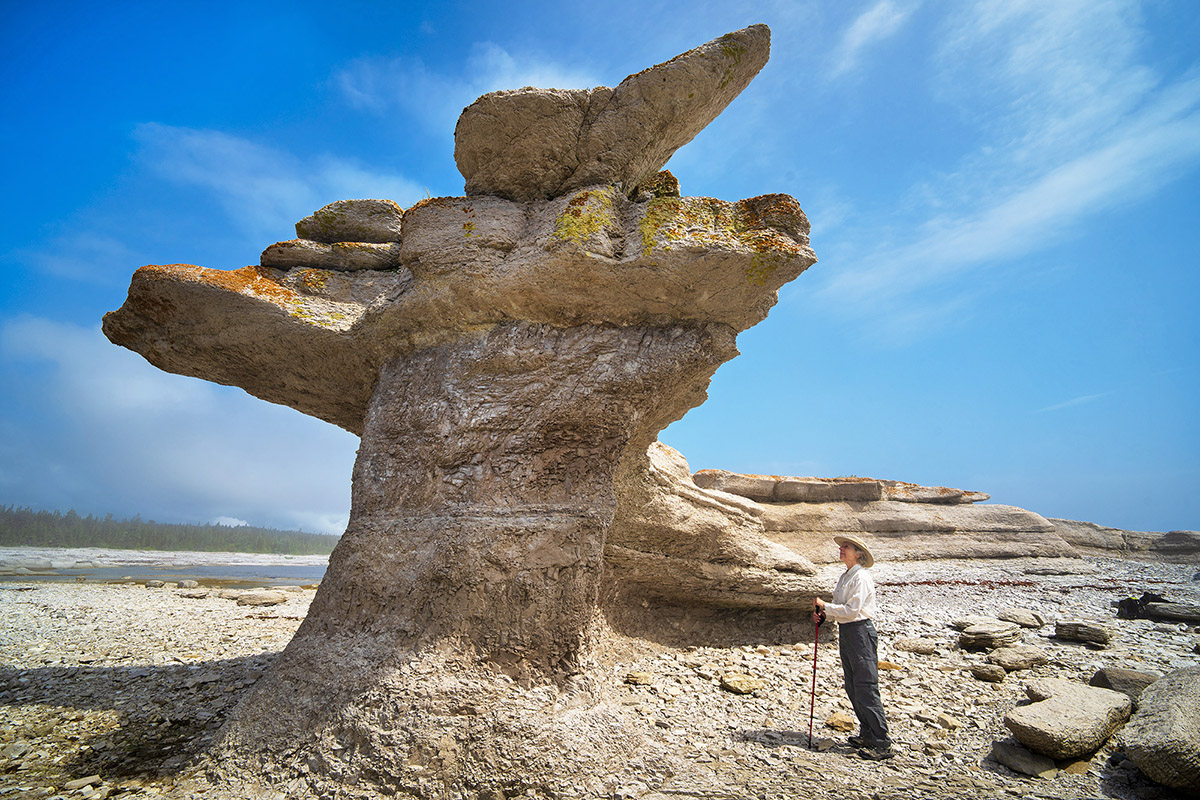
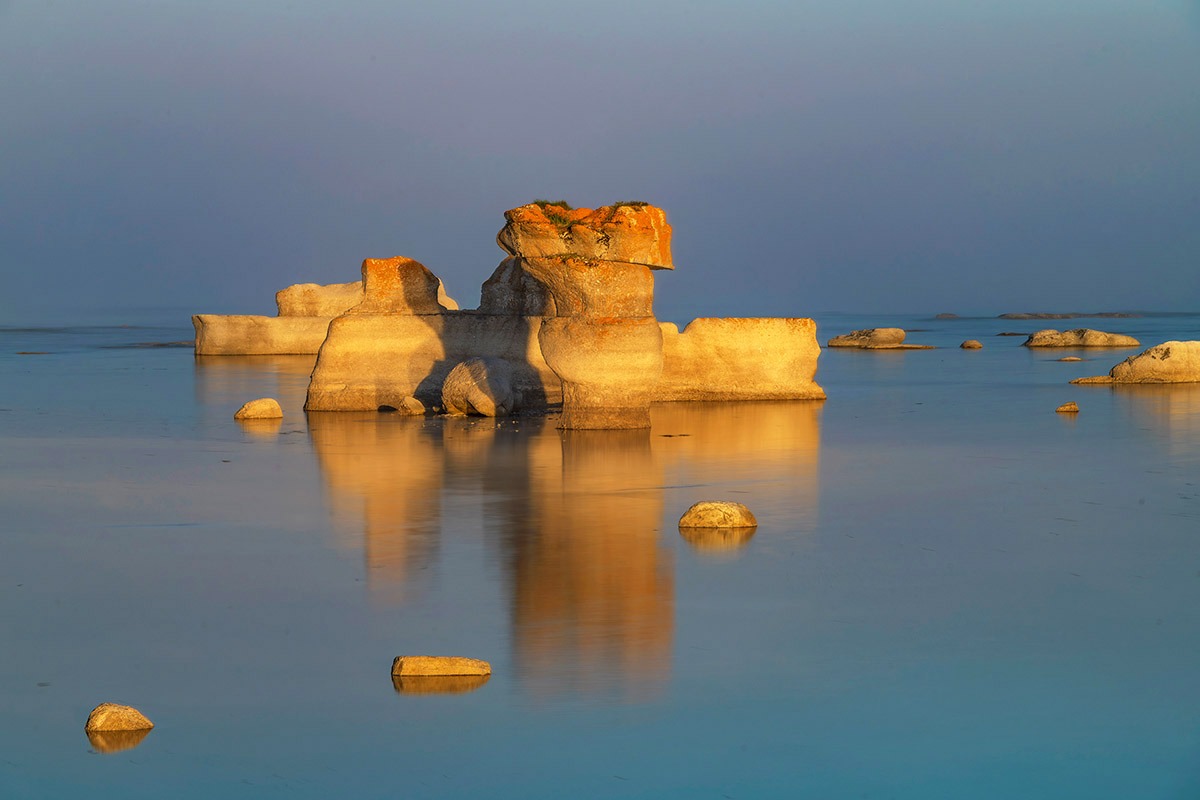
Mingan Archipelago National Park in Quebec is home to the largest concentration of erosion monoliths in Canada. Repeated freezing and thawing, along with wave action, tides, and wind over the centuries, continued to sculpt Mother Nature’s magnificent works of art. Quarry Island has the largest concentration of monoliths, some of which are quite peculiar. We wrote about our experience visiting and photographing the monoliths here.
We were so taken with the monoliths that we have included another in our favourites. Many of these formations are situated just offshore, so we can only walk up to them at low tide. But high tide presents us with another photo possibility. One evening during high tide, we had gorgeous golden hour light just before sunset that bathed the monoliths in a warm red glow. Taking long exposures of around 13 seconds, which smoothed out the water, resulted in some of our most memorable images of the trip.
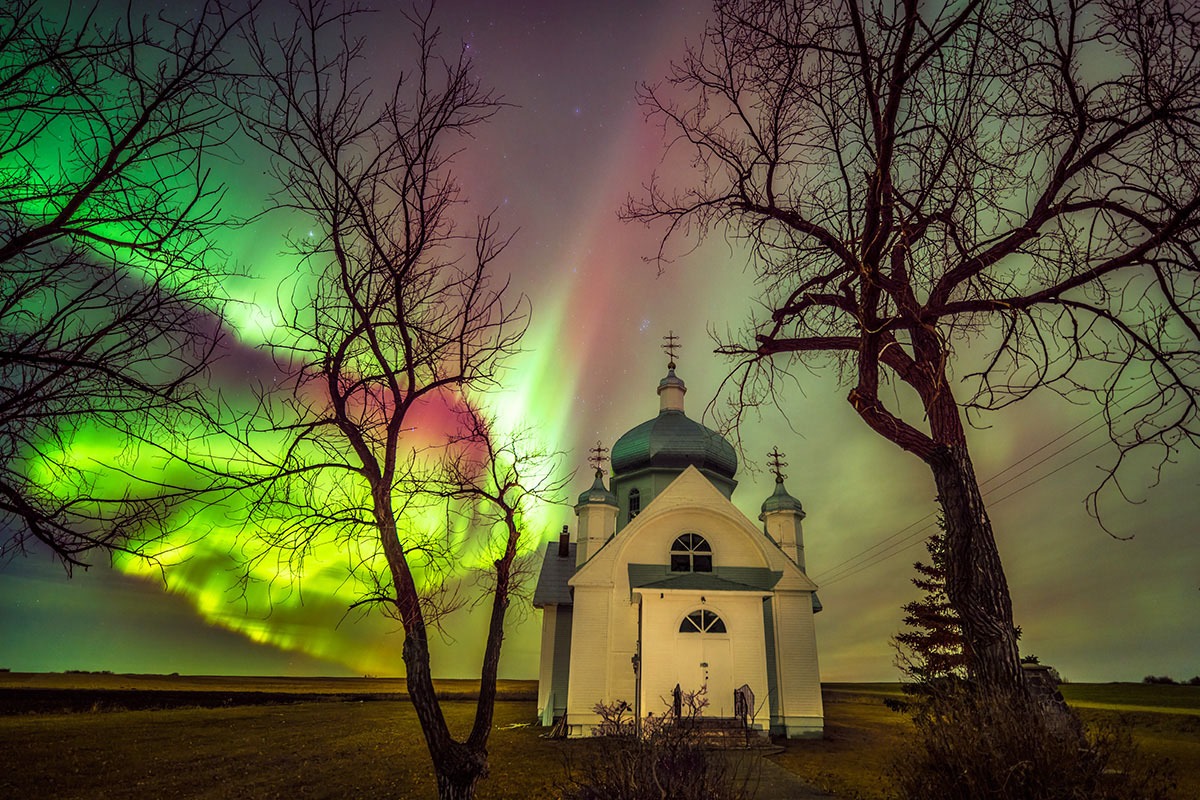
This past year was quite eventful for northern lights. We always like to include some foreground interest when photographing the aurora, so this time we went to a small country church near Smuts, Saskatchewan. With the leaves gone in late fall, the bare trees and distinct Ukrainian church provided an attractive foreground.
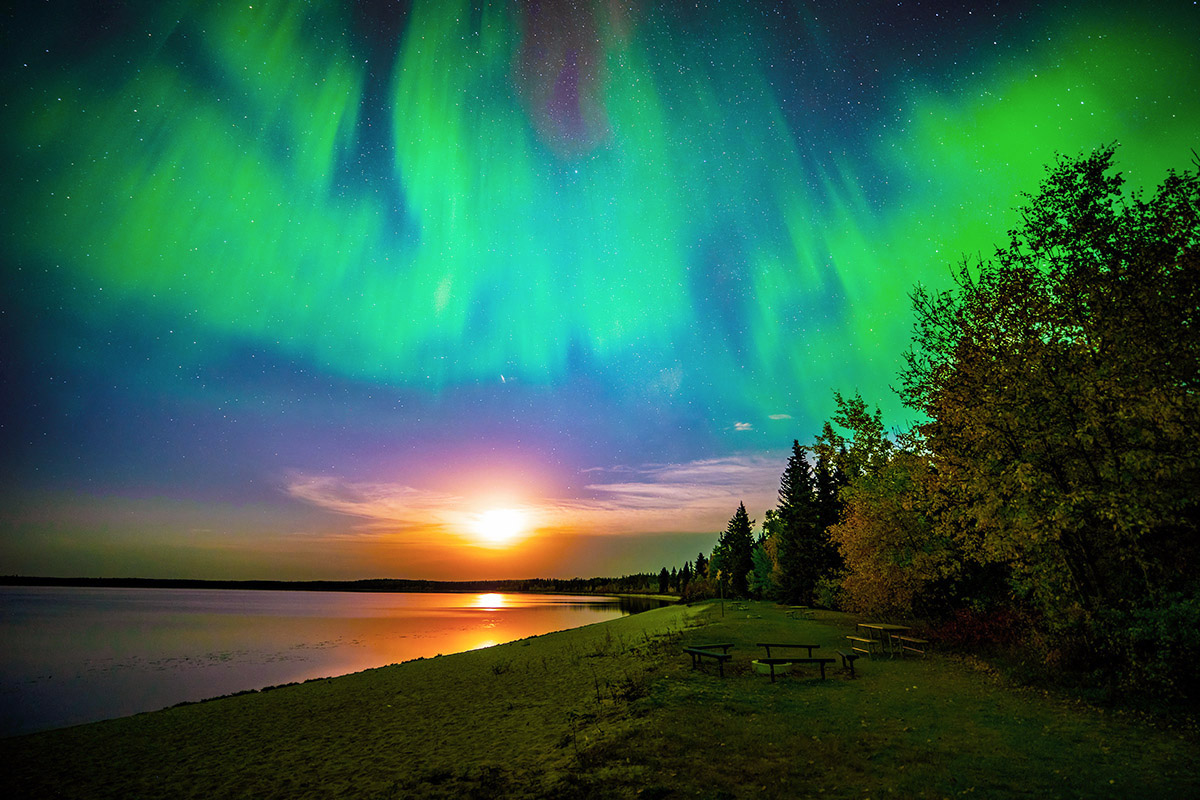
As a general rule, a full moon is not the best time to photograph the northern lights since the brightness tends to make the lights less distinct. But this night on Namekus Lake in Prince Albert National Park was different. The northern lights were not especially strong or active, and the full moon was shrouded by clouds near the horizon. The two together seemed to balance the scene and give it an unusual effect that we liked.
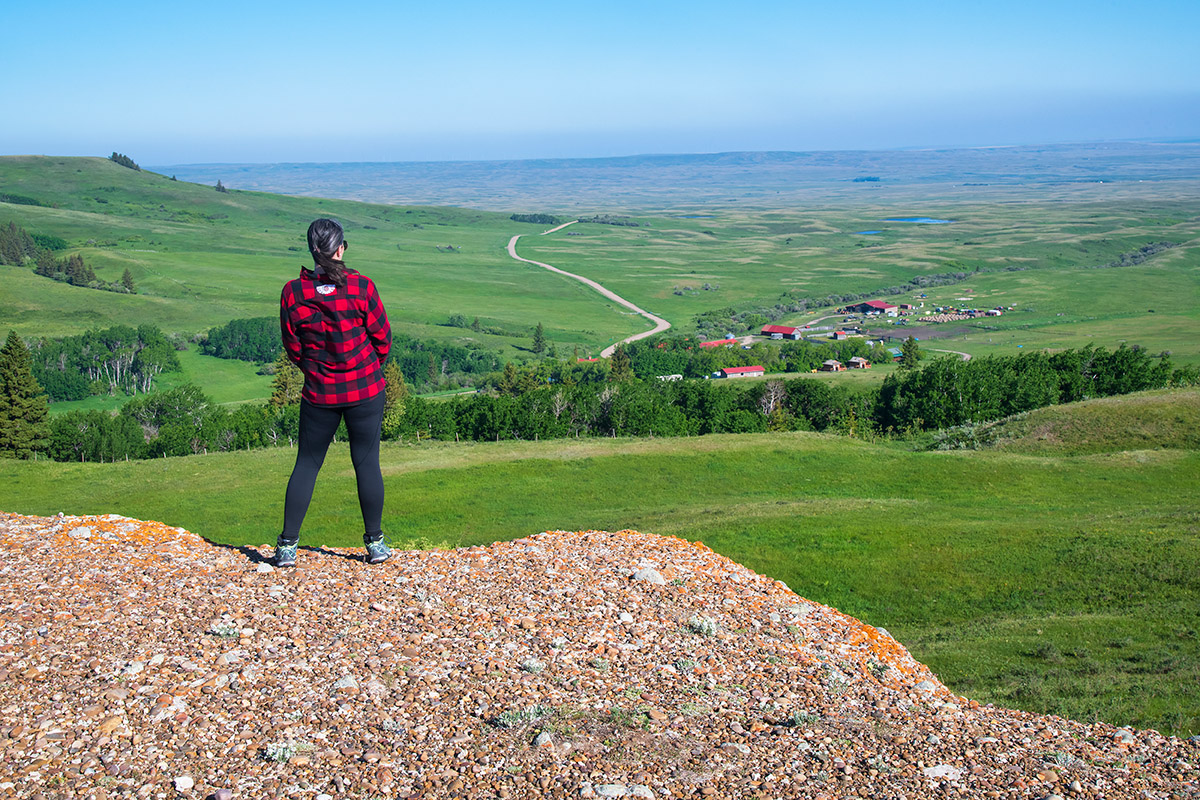
Another highlight of summer was our visit to the Historic Reesor Ranch in the Cypress Hills of southwest Saskatchewan. There’s a short hike from the ranch to a cluster of conglomerate cliffs where we look down on the ranch yard and the countryside beyond. For us, this scene seemed to encapsulate what the Cypress Hills are about – green rolling grasslands, wooded coulees, red conglomerates, and sweeping vistas where you see forever.
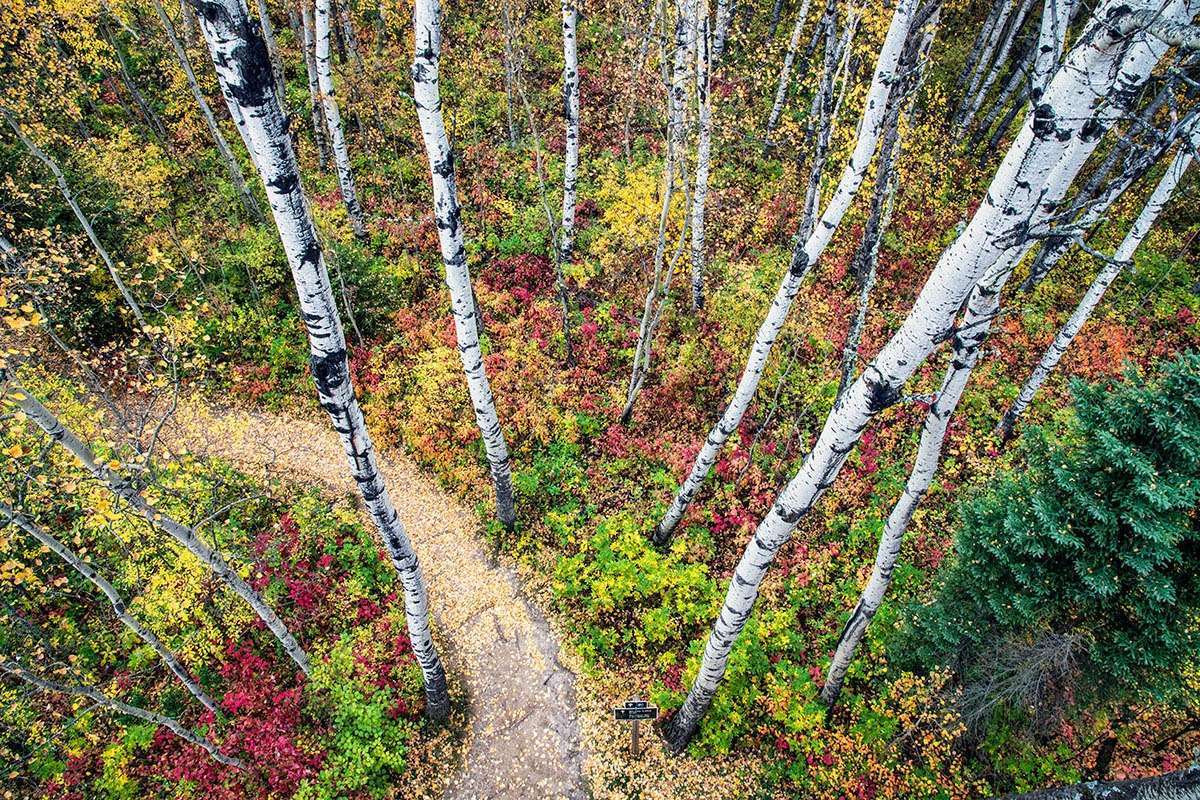
Prince Albert National Park is often our go-to place for fall colours, and this year we managed to visit during the peak of the displays. When photographing fall colours in the forest, we’re used to looking up at the trees. But our favourite shot was when we looked down from the top of the Height of Land viewing tower. While the trees were great, the forest floor was even more colorful with its variety of shrubs and other vegetation.