
All photos © Robin and Arlene Karpan
Grasslands National Park in southern Saskatchewan offers a wealth of photo possibilities. With one of the largest expanses of native prairie in North America, the park abounds with sweeping vistas, imposing buttes atop rolling uplands, and rugged badlands. It’s also one of our favourite places in Saskatchewan to photograph wildlife – some of which we find nowhere else in Canada.
The park consists of two blocks in the province’s deep south – the West Block near the village of Val Marie (straight south of Swift Current), and the East Block in the Wood Mountain Uplands, famous for its spectacular badlands. Both blocks are certainly worth visiting, although when it comes to wildlife, the West Block offers the most possibilities. It has more species, and the more extensive road network lets us easily wander farther afield to look for critters.
What’s special about the wildlife here?
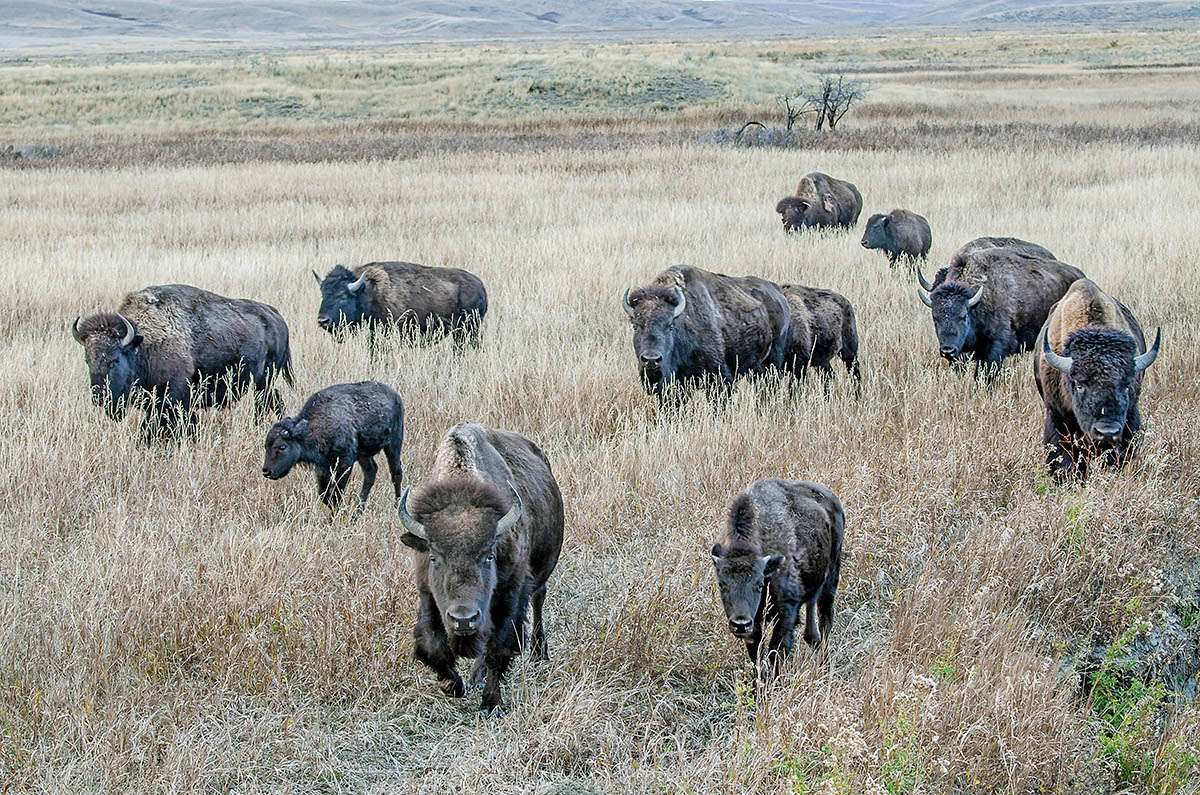
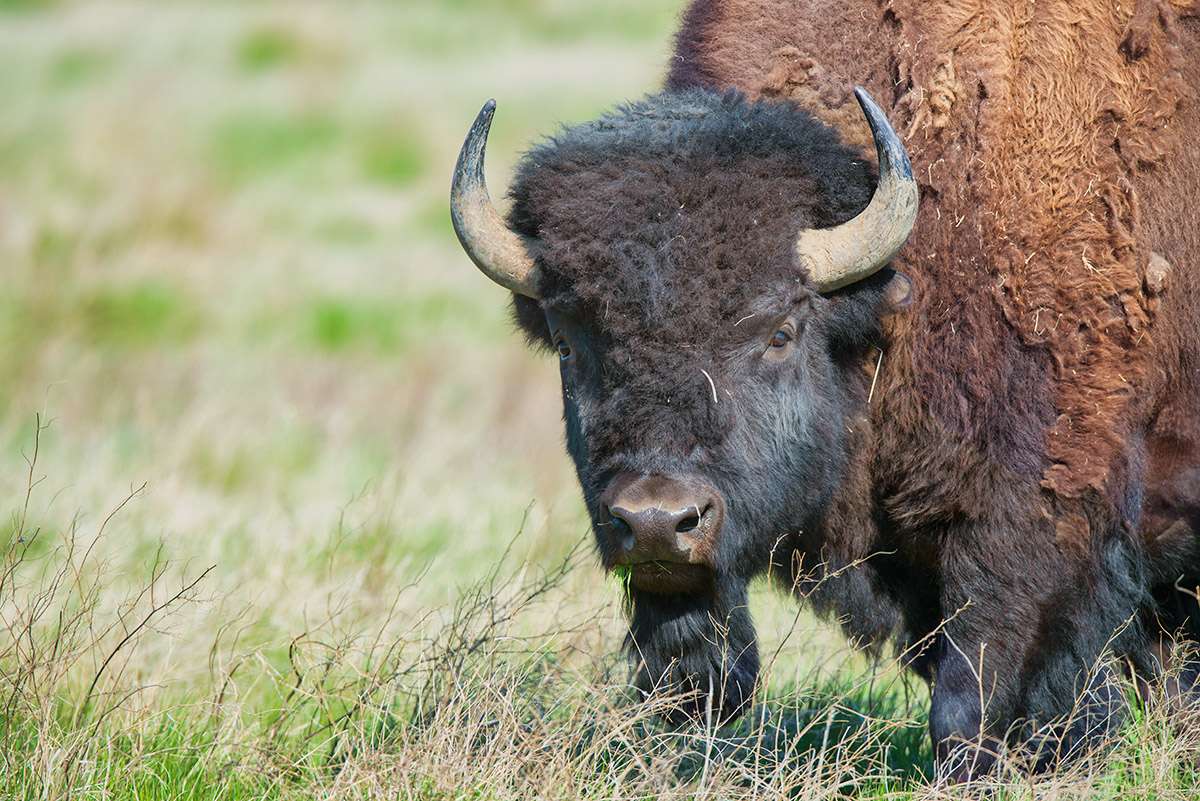
This is the land of the bison – a keystone species for the grasslands. Before settlement, vast herds roamed here, and then in 2005 they were reintroduced to their ancestral lands. Today, the bison herd in the West Block numbers between 400 and 500. It’s extra special to see and photograph these impressive animals in their classic habitat.
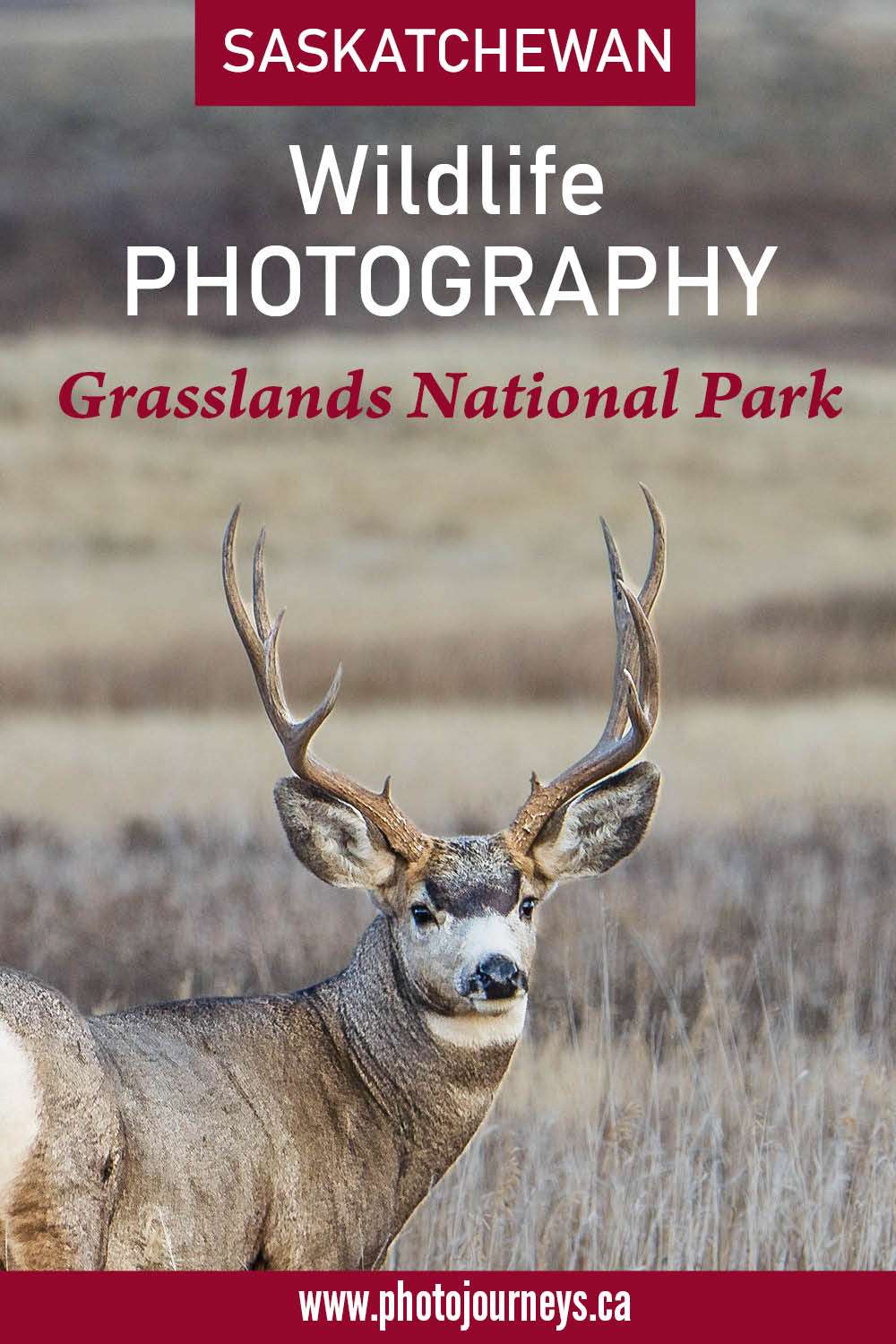
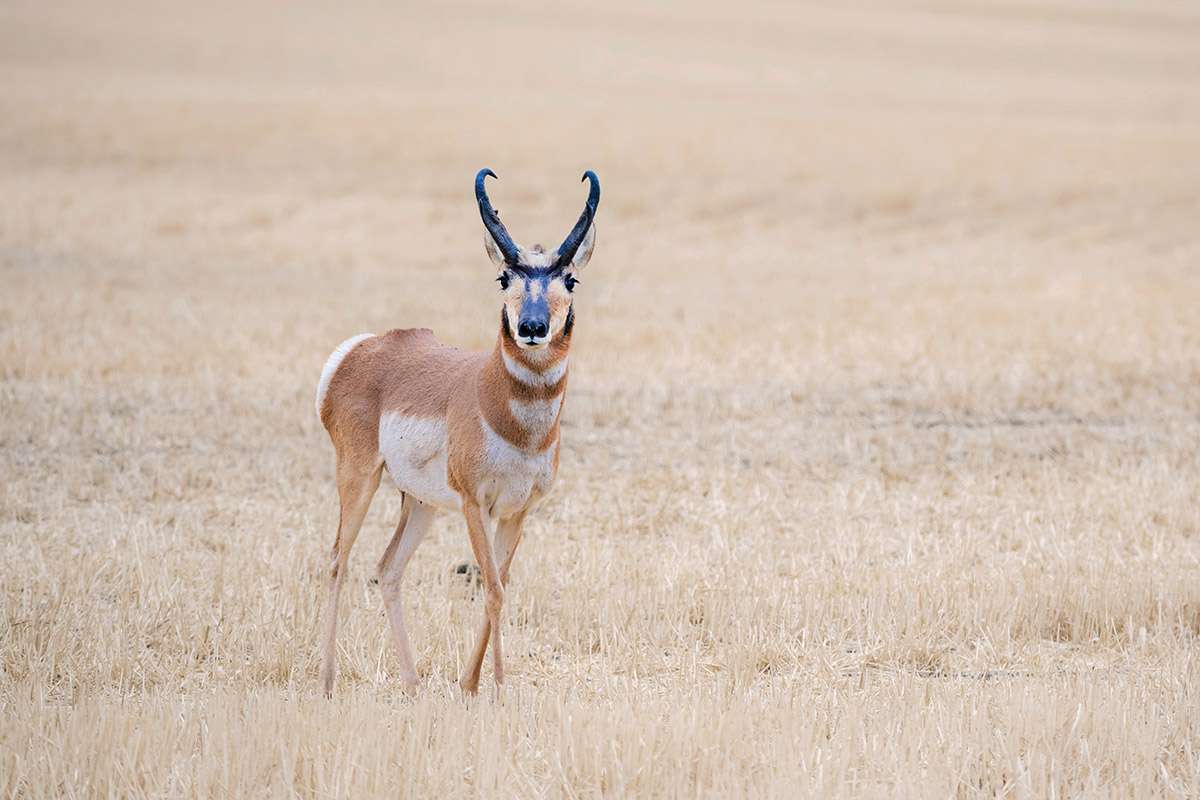
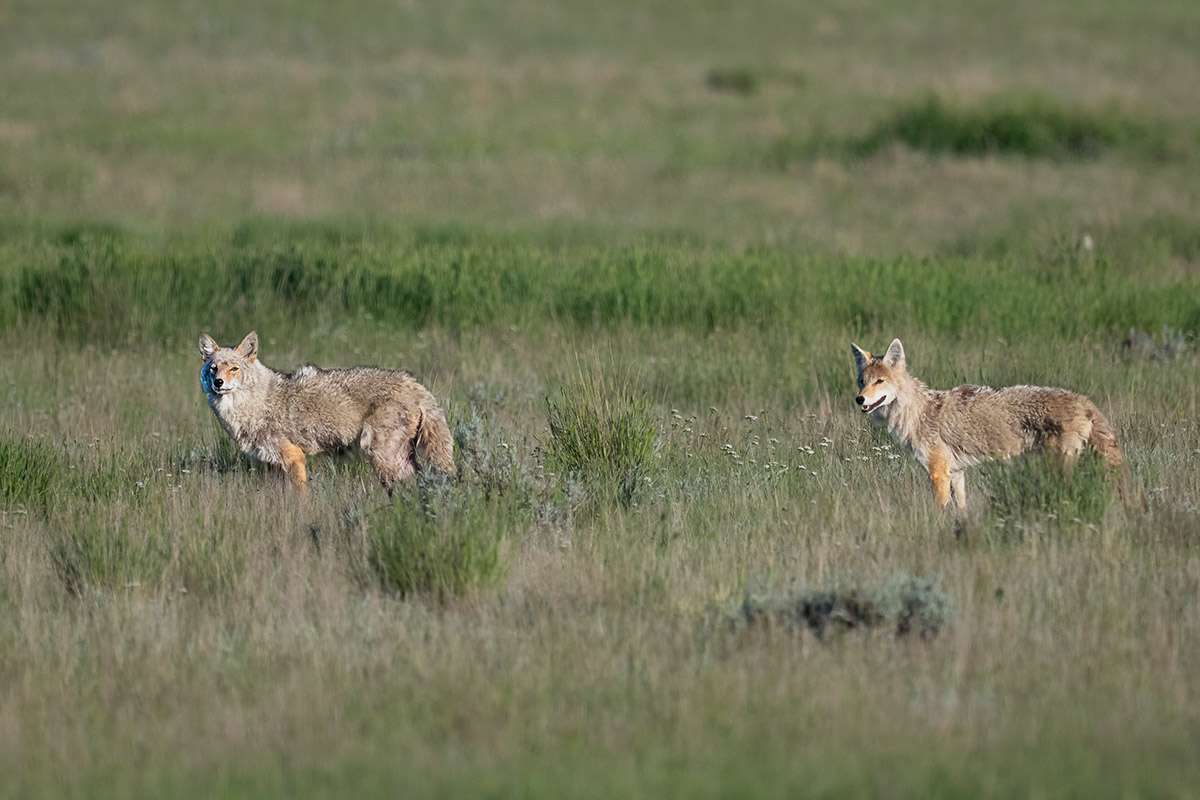
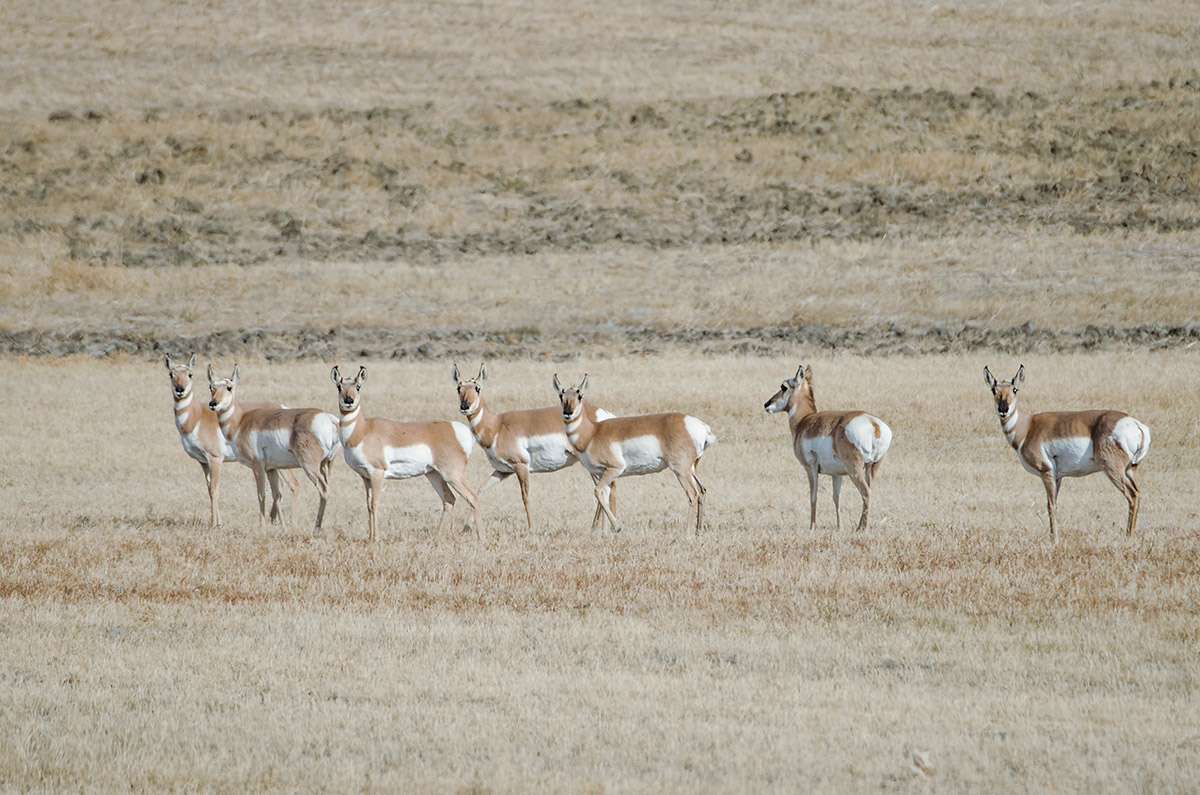
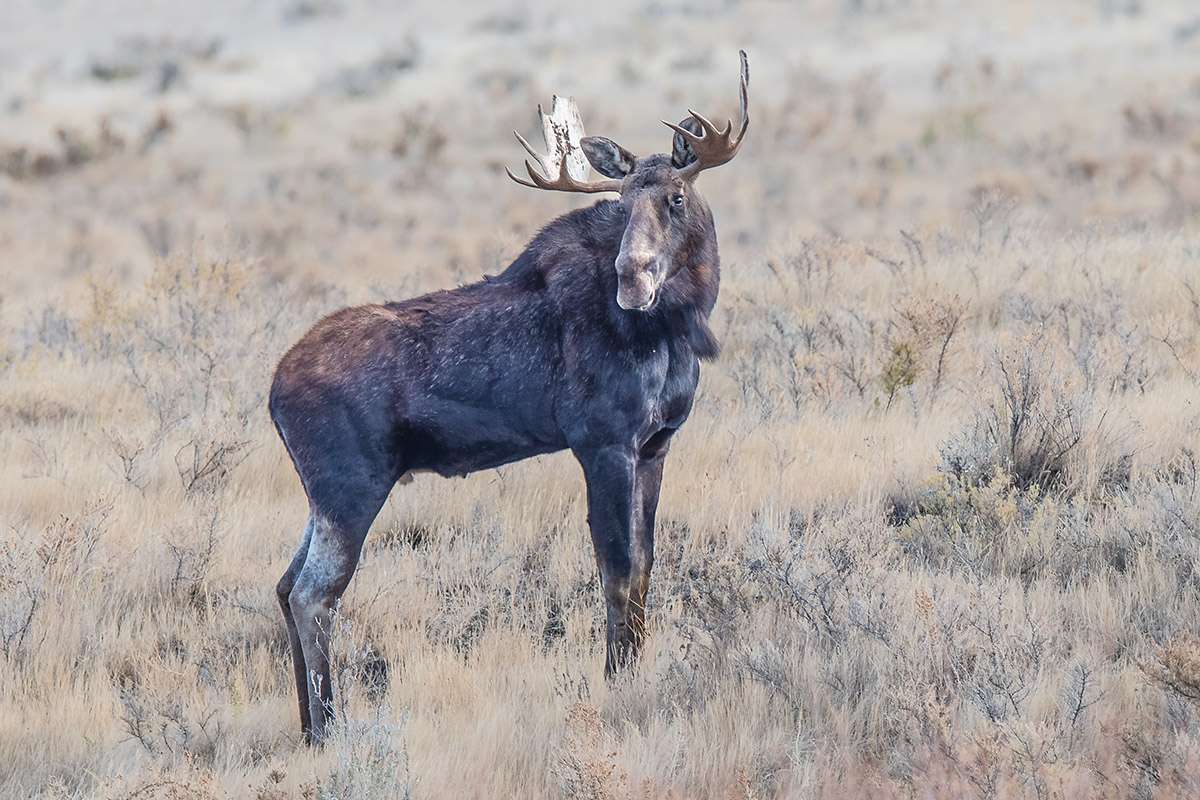
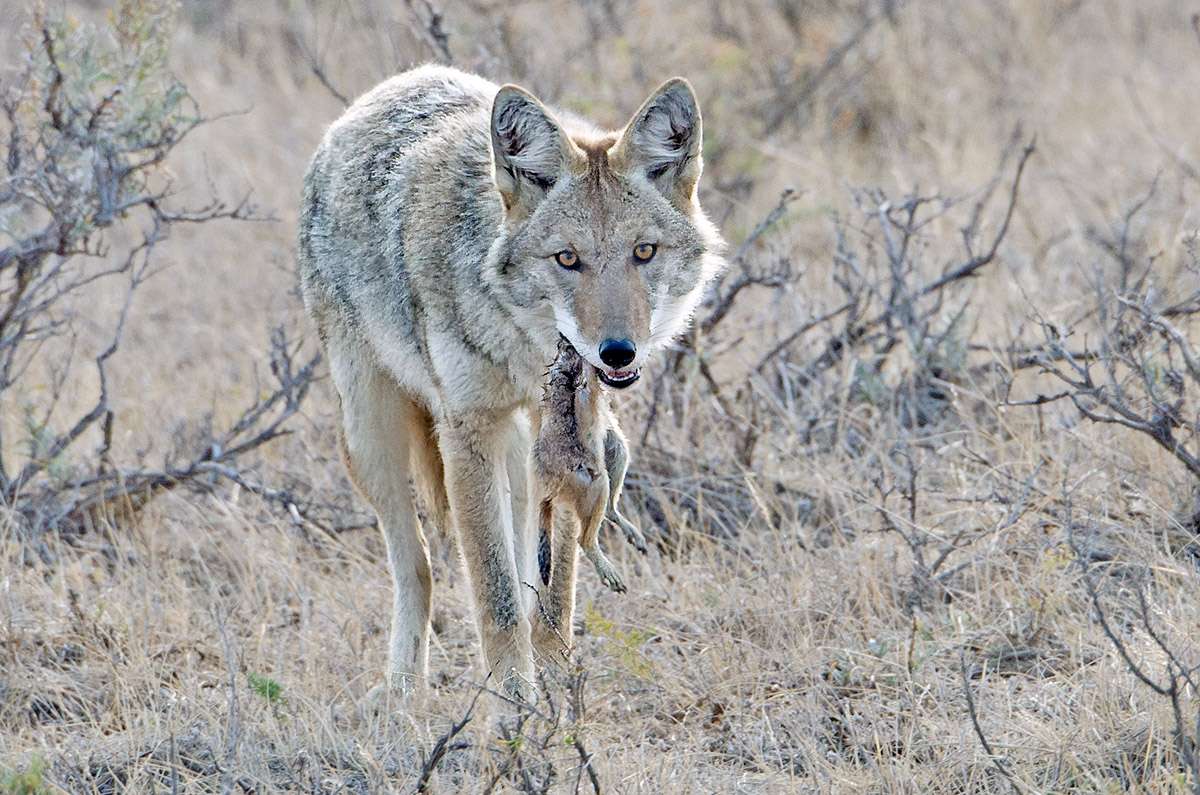
Other larger animal possibilities include moose, pronghorn, and mule deer which seem to roam everywhere. We also see coyotes that like to hunt near prairie dog colonies.
Where the park really shines is in the chance to see and photograph rare and endangered species that are hard to find elsewhere. Examples include the swift fox, about half the size of a red fox, and short-horned lizards that are so well camouflaged that they are almost impossible to see until they move.
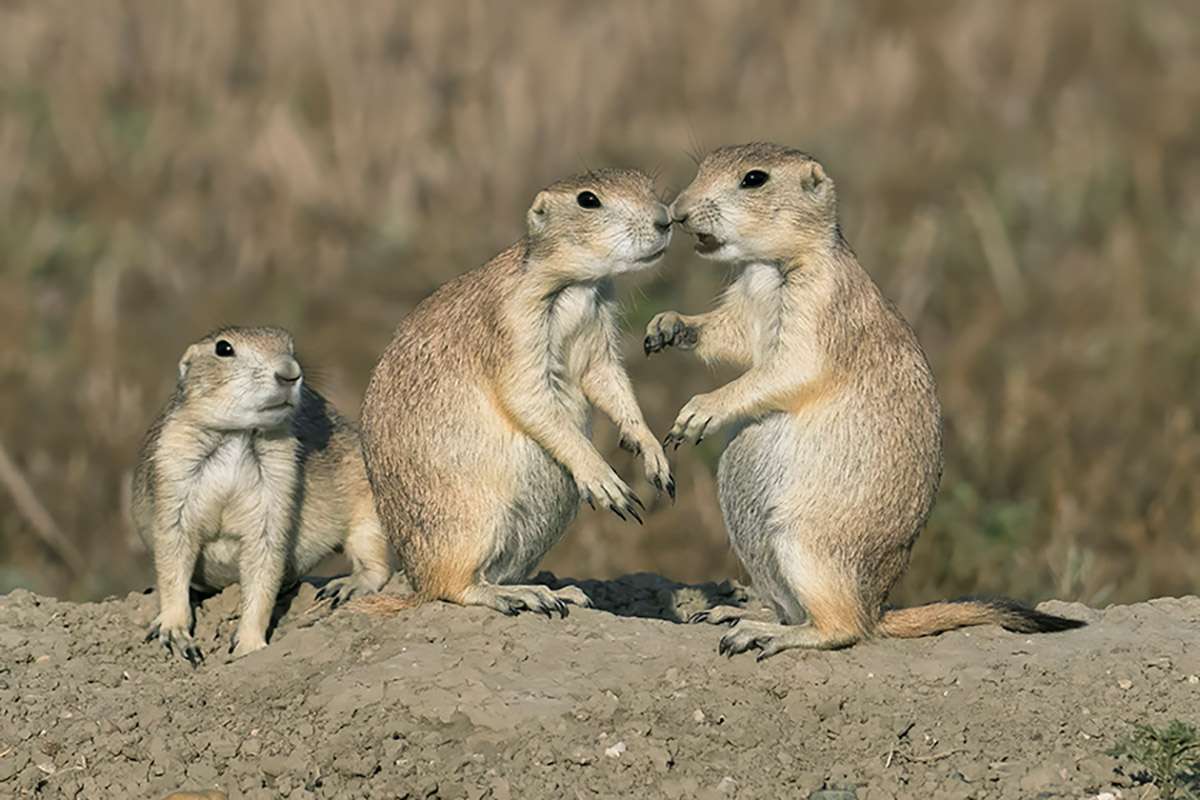
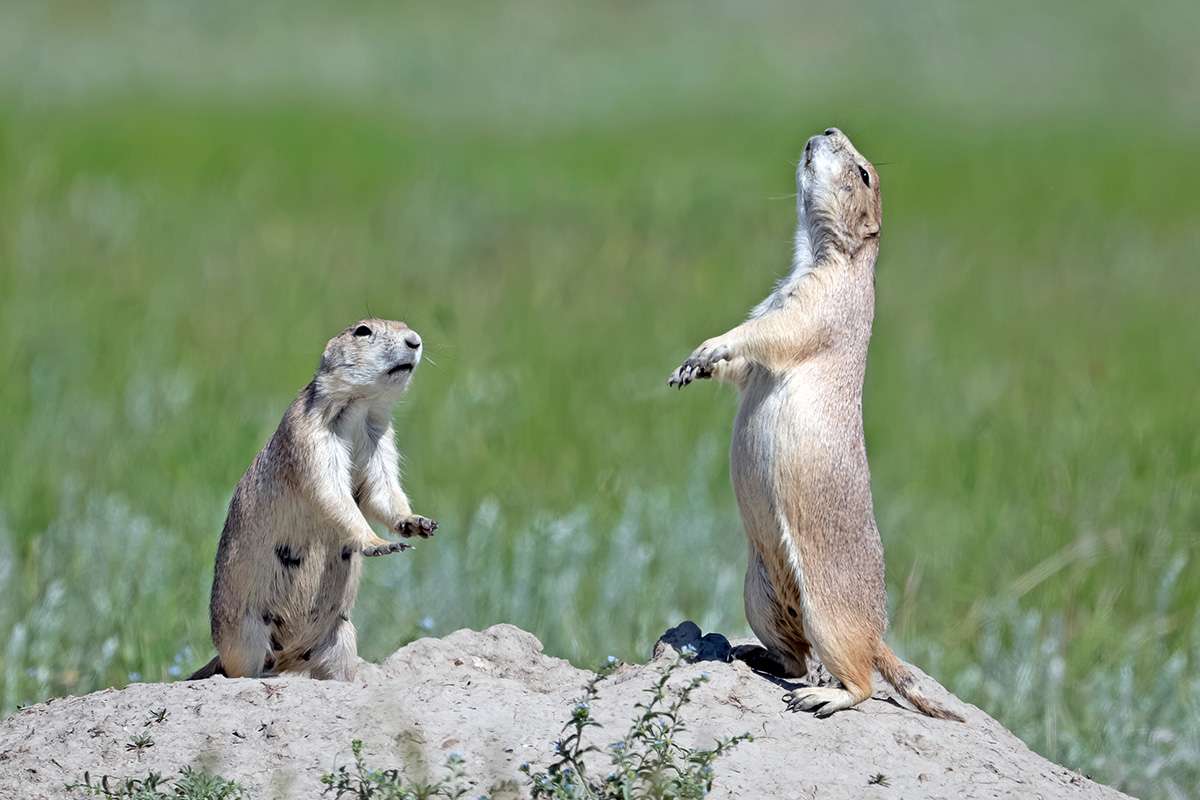
The national park is the only place in Canada to find black-tailed prairie dogs in their native habitat. They are at the northern end of their range here, and nest in massive colonies beside the road in the West Block. Considerably larger than Richardson’s ground squirrels (more commonly referred to as gophers), they are noted for being very sociable and for their antics such as the jump-yip, thought to be an all-clear signal to other members of the colony.
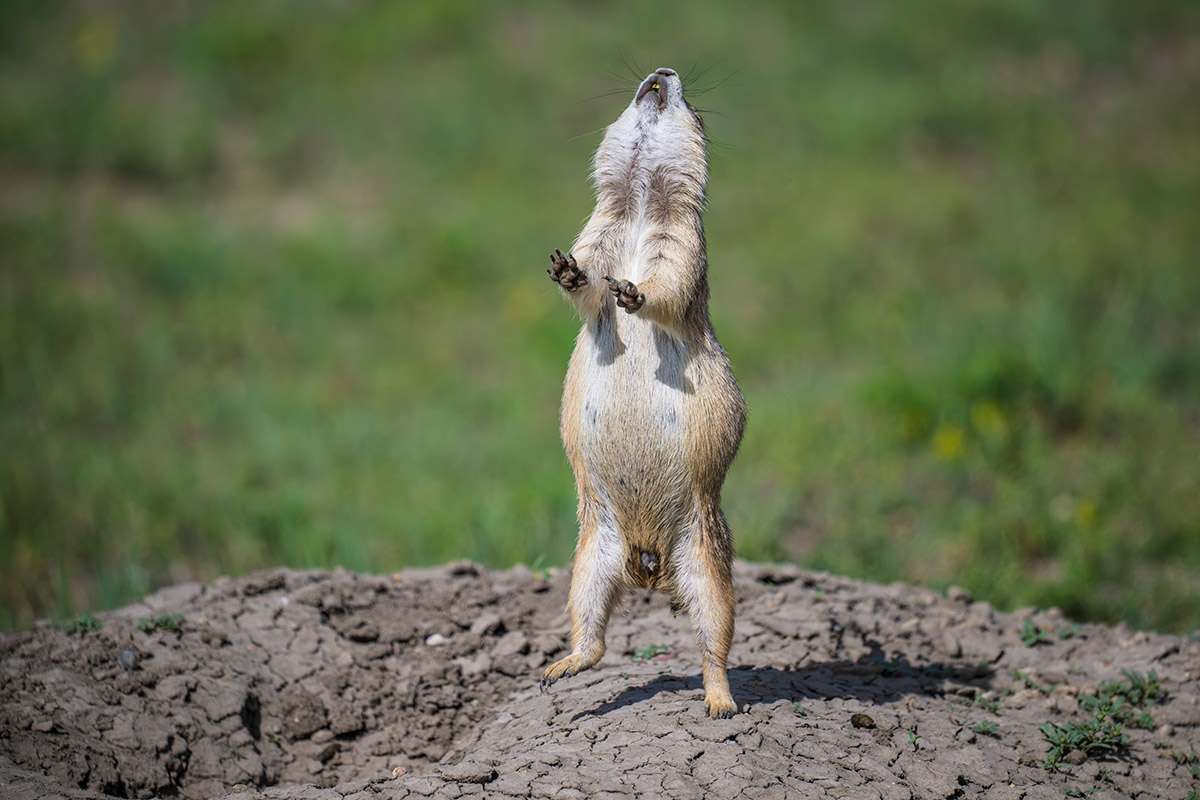
Wildlife photography can often be hit and miss because animals move around a lot, but photographing prairie dogs is as close as we can get to a sure thing. Drive along the park in summer and you’ll definitely find them. It’s best to stay in your vehicle and photograph out the window to minimize disturbing them. We look at prairie dogs in more detail in this posting.
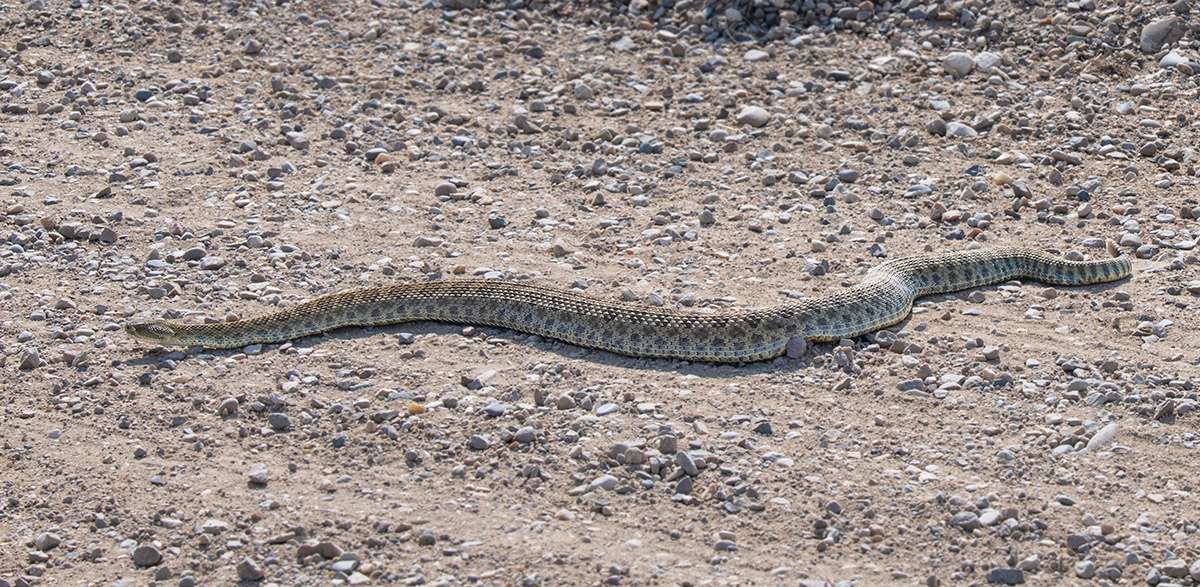
Prairie rattlesnakes also occur in the park, which is one of the few places they live in Saskatchewan. Since they are poisonous, extra caution is necessary not to get too close or to surprise them in tall grass, or when stepping over a large rock on a hiking trail. Sometimes we find them sunning themselves on the road.
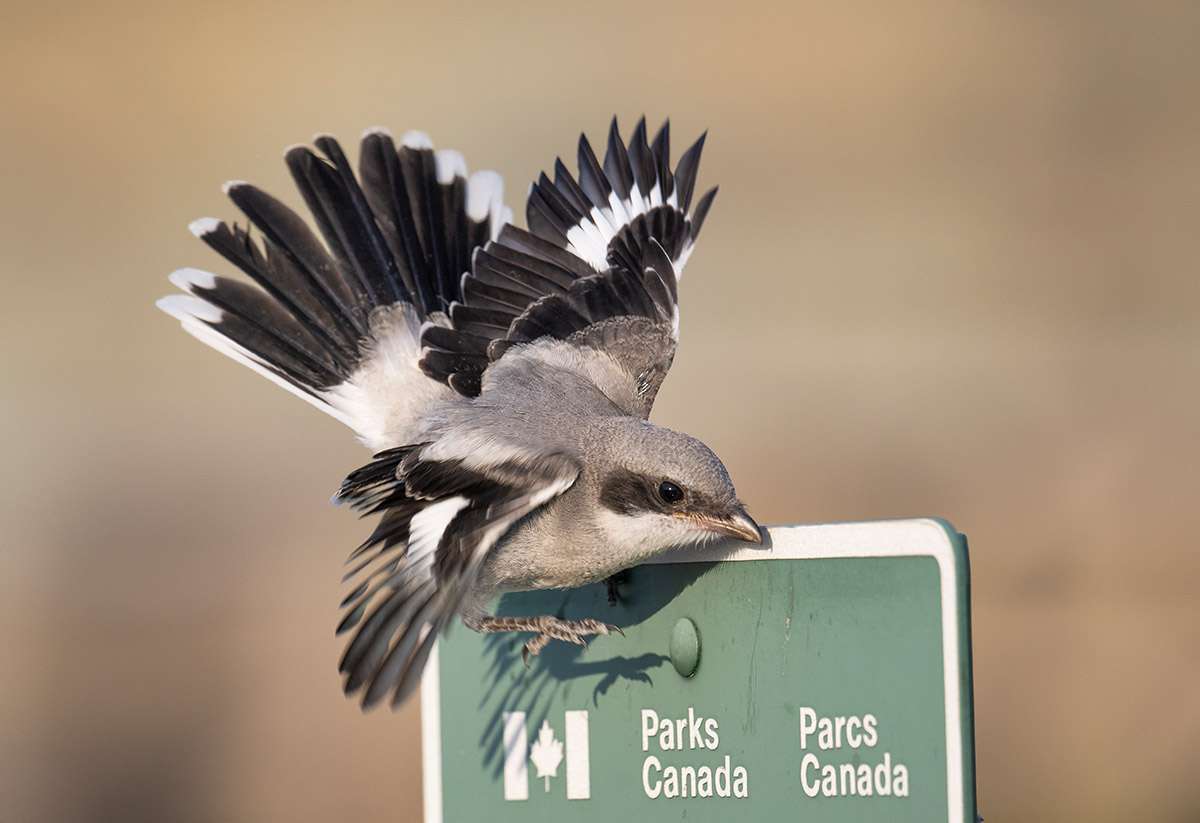
The park is home to several rare or uncommon birds, such as the loggerhead shrike, ferruginous hawk, Sprague’s pipit, prairie falcon, and long-billed curlew.
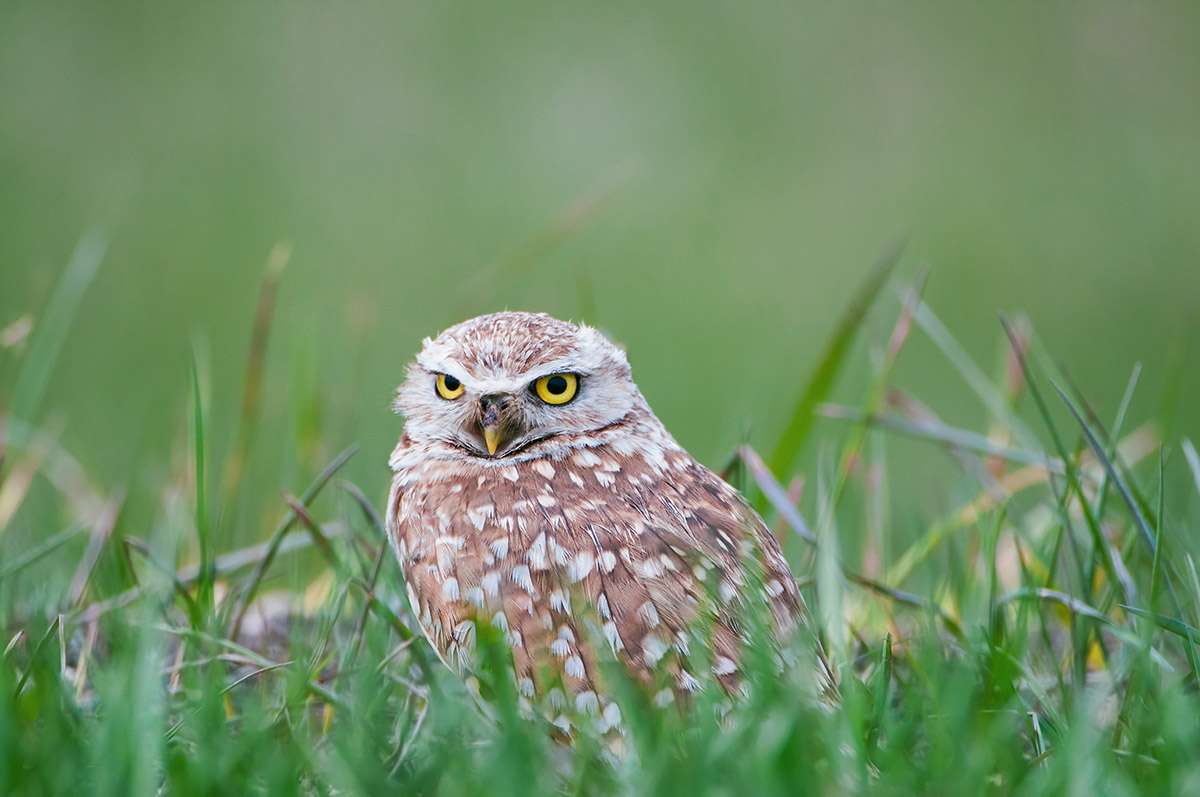
For rare burrowing owls, the park provides the perfect nesting ground. These tiny owls occur in Canada only in parts of southern Saskatchewan and Alberta. Most often they use abandoned prairie dog holes for nests, so the best chance of finding them is by scanning the prairie dog colonies near the road for unusual movement.
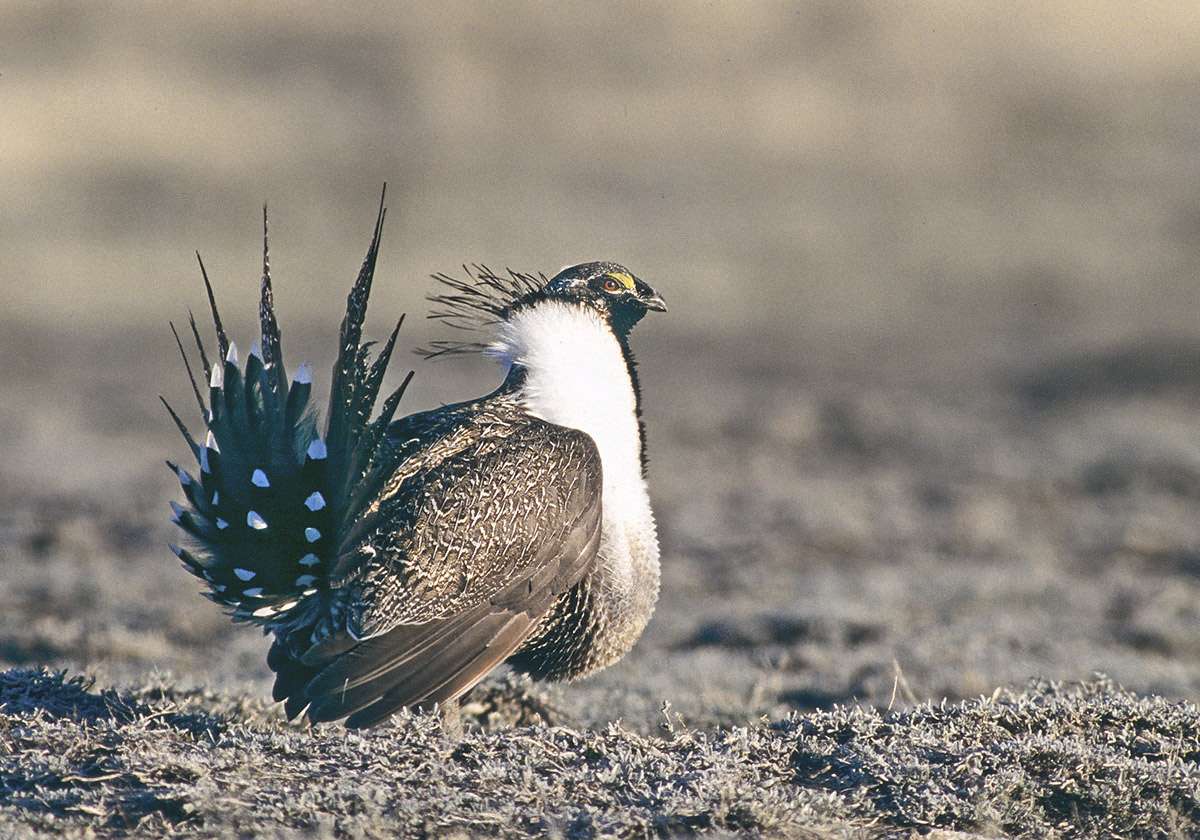
The increasingly rare greater sage grouse lives in the park, famous for the elaborate head-bobbing and plopping sounds that males make during spring mating season.
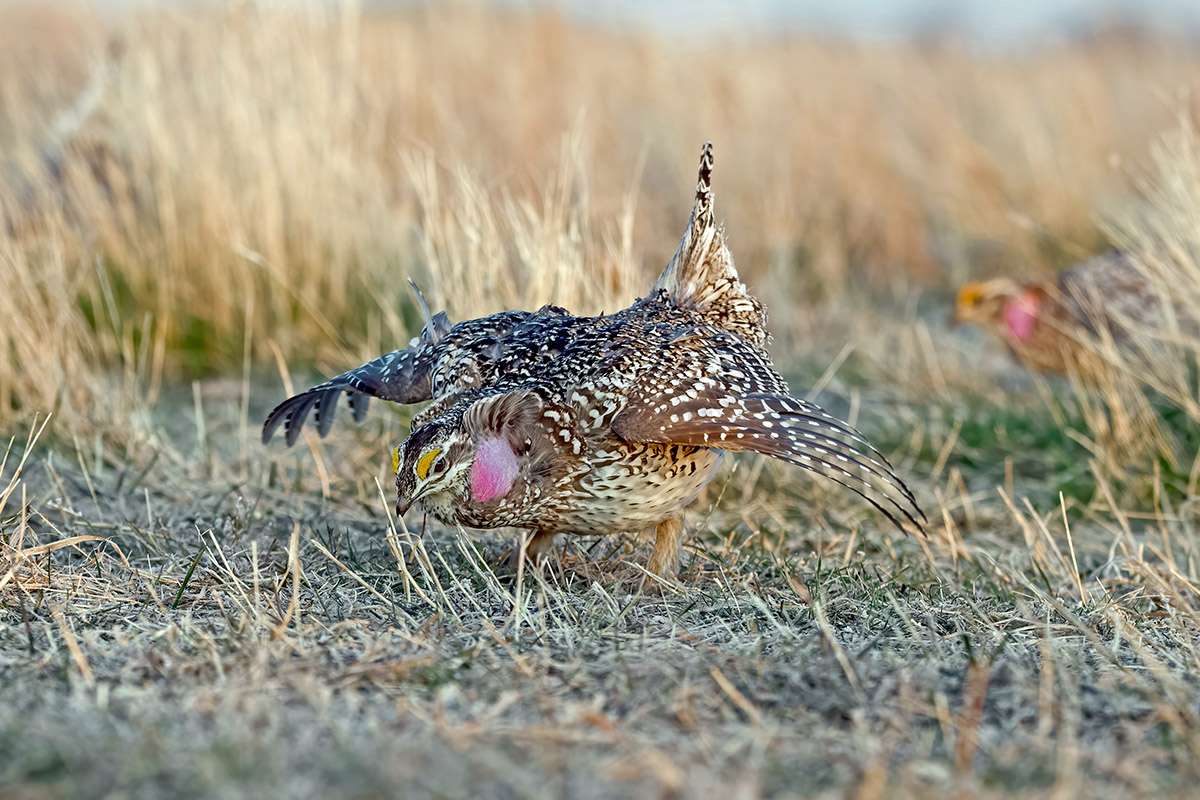
But the wildlife here isn’t just about rarities; more common birds can be just as rewarding to watch or photograph. It’s a top place to find another iconic prairie bird, the sharp-tailed grouse, which is also Saskatchewan’s official bird emblem. Spring mating season is prime time when the males compete for attention by doing a rapid-fire foot-stomping dance while spinning around and going back and forth like a bunch of out-of-control wind-up toys.
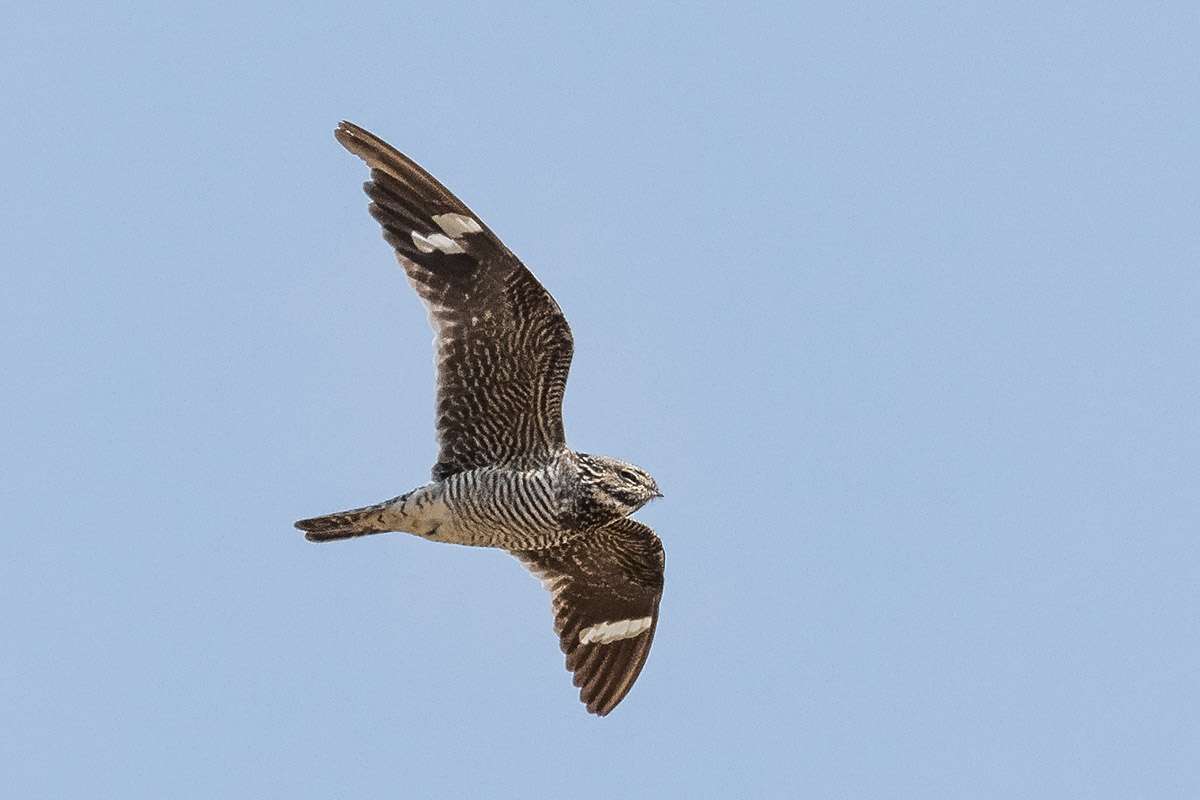
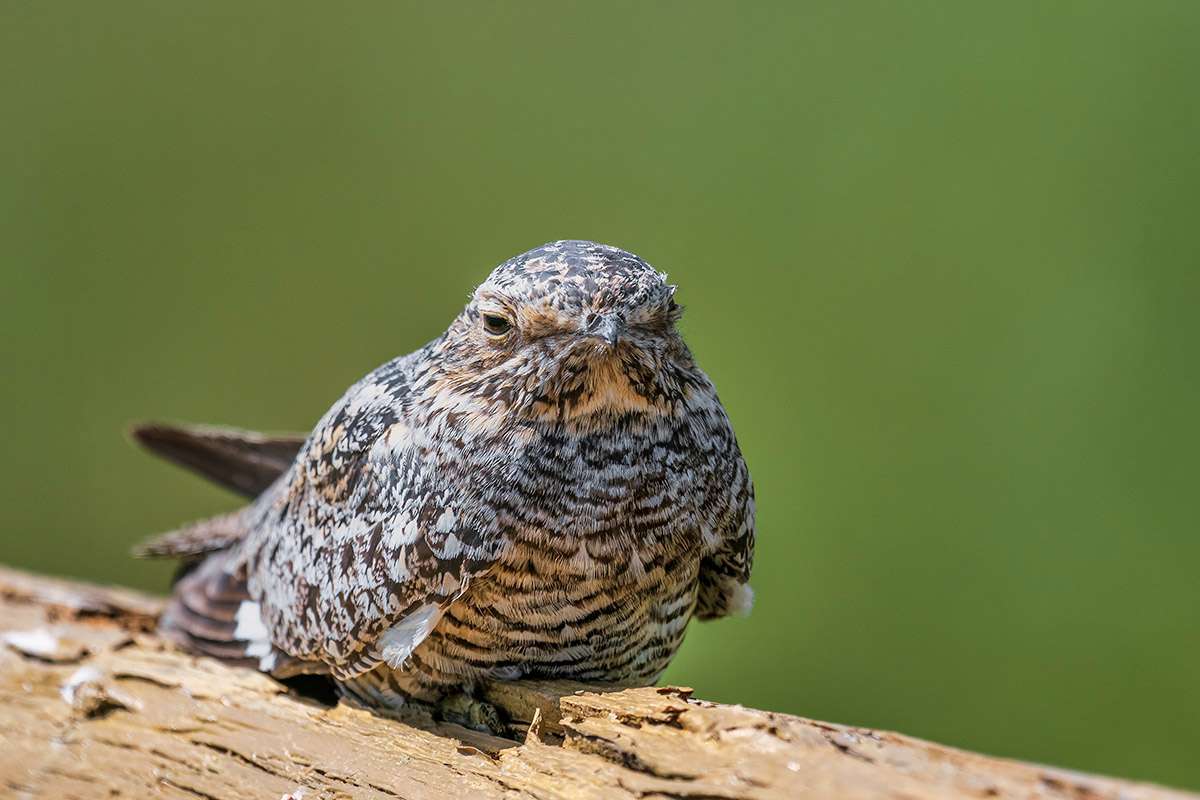
This is also our favourite place to photograph common nighthawks which seem to be especially plentiful in the area. On quiet evenings we hear them swooping and diving. During the heat of the day they often rest on posts and other structures around the campgrounds.
Where to go
Wildlife moves around and could be anywhere. But if we had to pick a favourite area it would be close to the Frenchman Valley Campground in the West Block. Staying in the campground offers easy access during early morning or late evening when animals and birds tend to be more active.
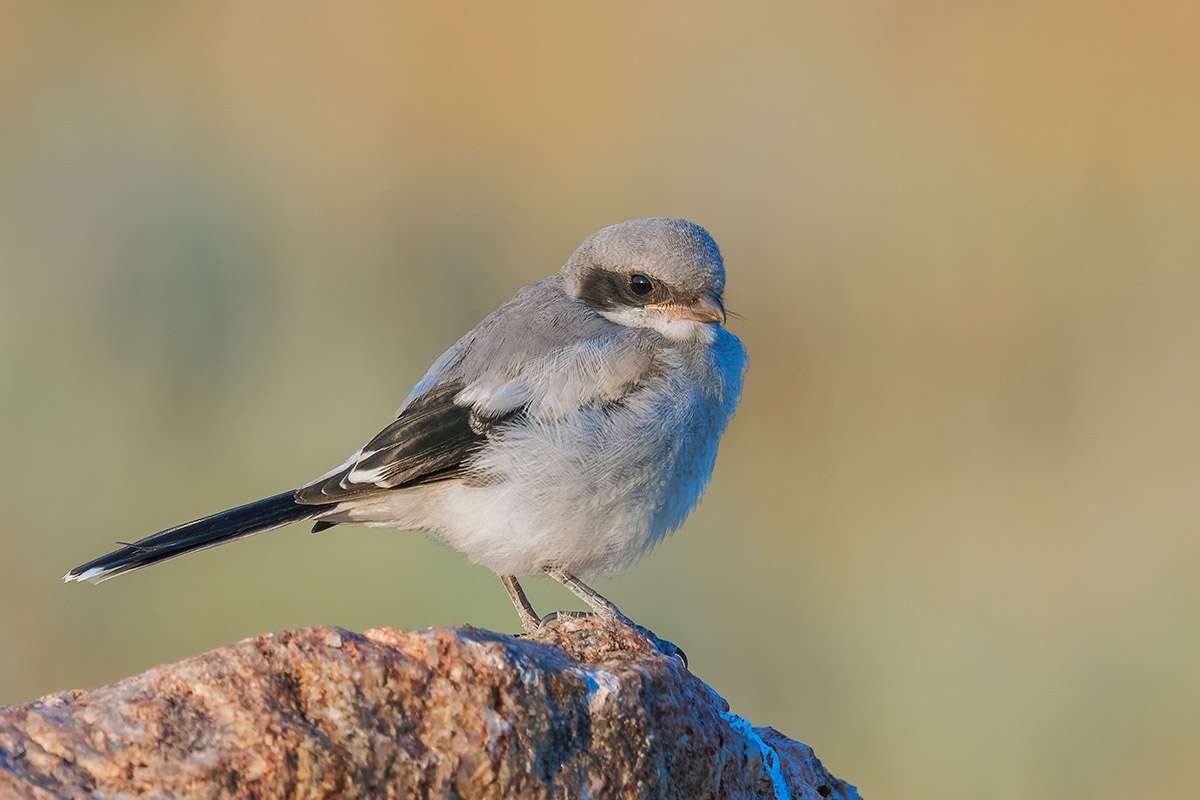
The bridge over the Frenchman River just west of the campground is often a good place to start. The river itself, as well as small ponds next to it, might have waterfowl and other birds, and there are just enough small scraggly trees nearby to attract perching birds such as loggerhead shrikes. Bison also commonly frequent this area during their wanderings.
The prairie dog towns are obvious spots to go. There is a huge colony right beside the road on the valley rim right after the entrance to the West Block, another just east of the campground, and more colonies farther east along the Backcountry Loop driving route. Besides prairie dogs, these are top spots to look for burrowing owls, and predators such as coyotes that frequently prowl around the colonies looking for their next meal.
The Two Trees picnic site south of Val Marie, tends to be a good spot for birds. It’s located in a former ranch yard where planted trees act as a magnet for a variety of birdlife in this mostly treeless landscape.
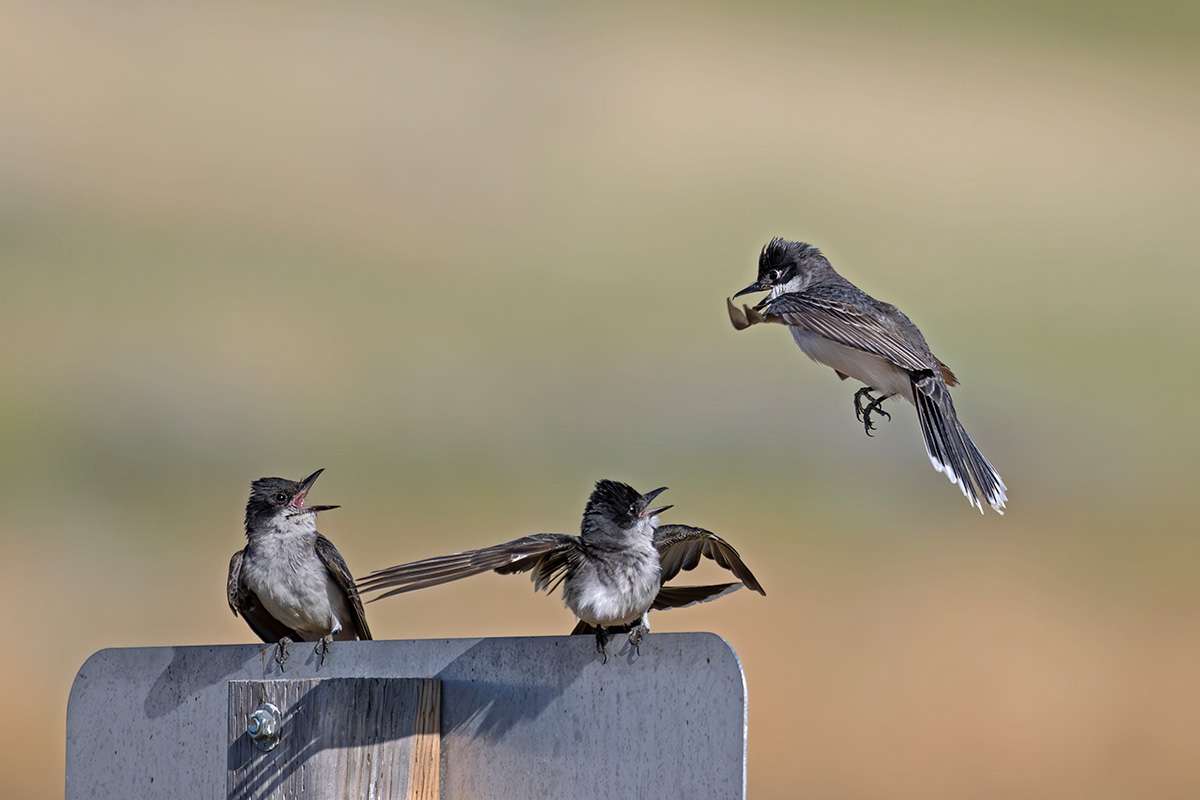
Campgrounds are also excellent for birds, especially common nighthawks, and barn swallows that often nest on the edge of buildings. We got our best loggerhead shrike photos in the small bushes in front of the picnic shelter in the Frenchman Valley Campground.
Where to Stay
Our top choice is the Frenchman Valley Campground, which puts us right in the midst of things for easy access to prime wildlife areas. In addition to electrified campsites, new this year are a few non-serviced sites at a lower cost. All sites have easy access to a cooking shelter, complete with gas barbecues for guests’ use.
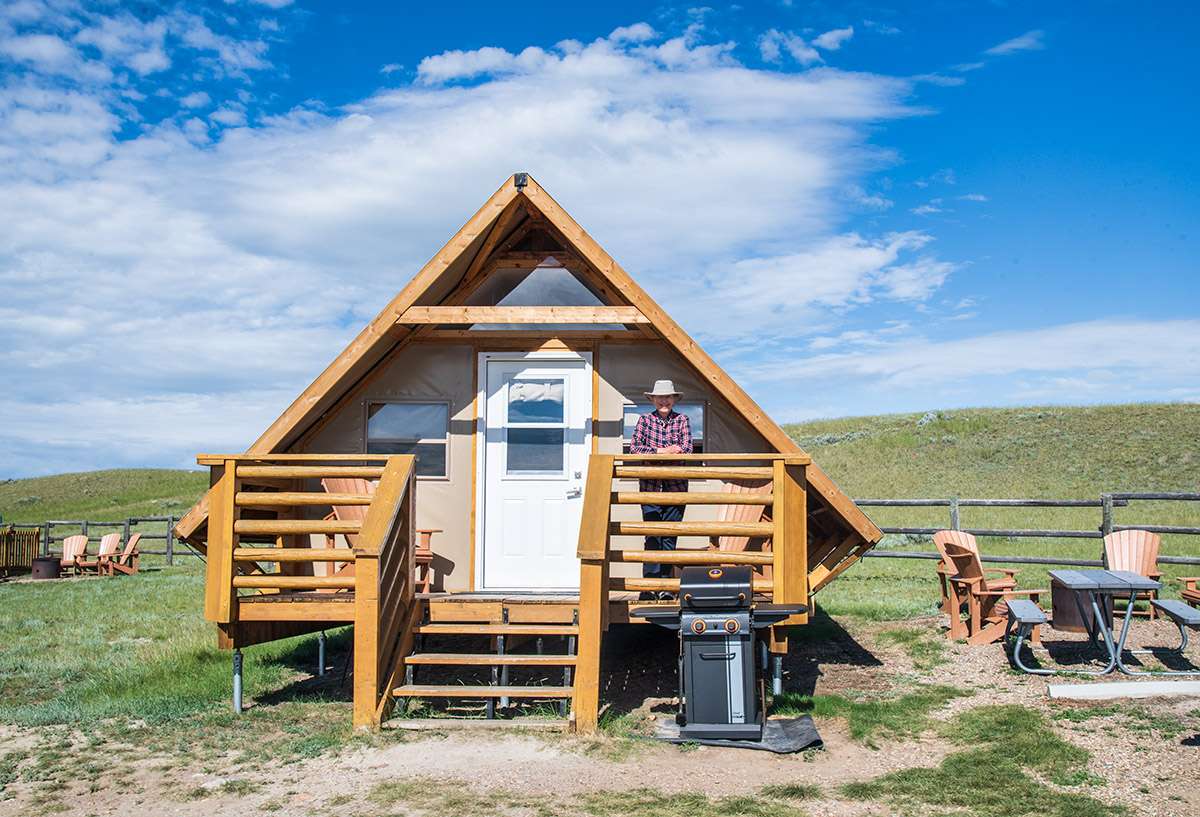
For roofed accommodation, the campground has four oTENTiks, a cross between a frame tent and a small cabin. You need to bring your own bedding. The village of Val Marie, a short drive away, also has a limited number of places to stay.
When to Go
We have had excellent sightings anytime of the year that we have visited the park, but we especially like fall for wildlife. With fewer people around, there’s a better chance of encountering critters close to the road. Campgrounds tend not to be as busy, so it’s usually easier to plan a visit on shorter notice. Animals are more active in cooler temperatures, and not lying low in the heat of a summer day. However, summer has its advantages as well with lingering evenings, a more attractive and greener landscape with wildflowers, and a chance to see animals with their young.
Resources
See the Parks Canada website for more details on the park.
See Cypress Hills Grasslands Destination Area for ideas on other attractions in the surrounding area.
Tourism Saskatchewan is the go-to place for travel throughout Saskatchewan.
You might also enjoy these posts with photography tips.
SUBSCRIBE to Photojourneys below
Feel free to PIN this story on Wildlife Photography in Grasslands National Park for later