
All photos © Robin and Arlene Karpan
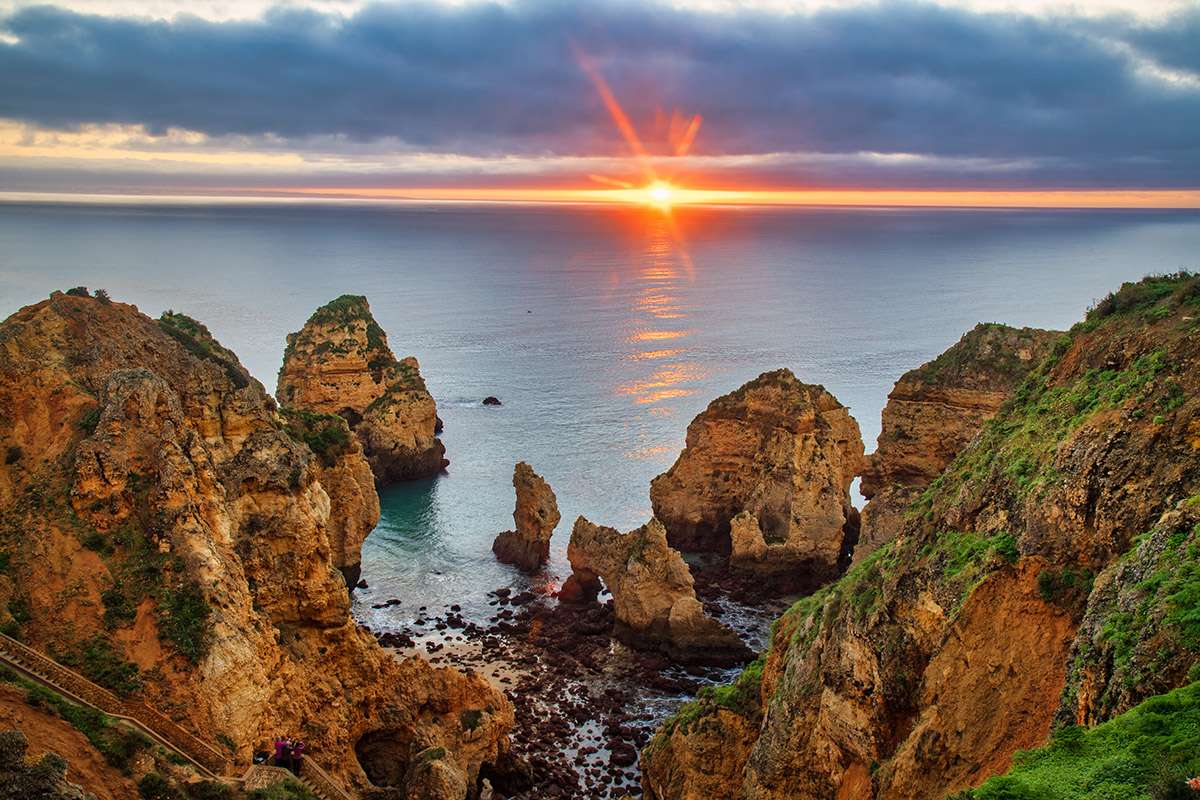
Portugal’s Algarve coast is a treasure trove of stunning, colourful cliffs and rock formations, interspersed with many of Europe’s top beaches. But if we had to pick a favourite, from a photographer’s point of view, it would be Ponta da Piedade on the southern outskirts of Lagos. The small city is rich in history, so combine this with the nearby landscapes, and we have a pleasant spot to spend a few days.
Lagos lies near the western end of the Algarve south coast, and is the terminus for the Regional Algarve Line, the train that runs between here and Faro, home to the Algarve’s main airport. About halfway along this line, at Tunes, we can connect with the train to Lisbon. Lagos is also well served by buses.
We arrived in Lagos by train, but once there, we found that the best way to explore this area, as well as the rest of the Algarve, was by rental car.
Historic Lagos
Lagos sits at the mouth of the Bensafrim River, a harbour important to its maritime history. While Lagos dates back to the time of the Romans, Visigoths, Byzantines, and Moors, it is most famous for its central role in the “Age of Discovery” when Portugal dominated explorations by sea in the 15th century.
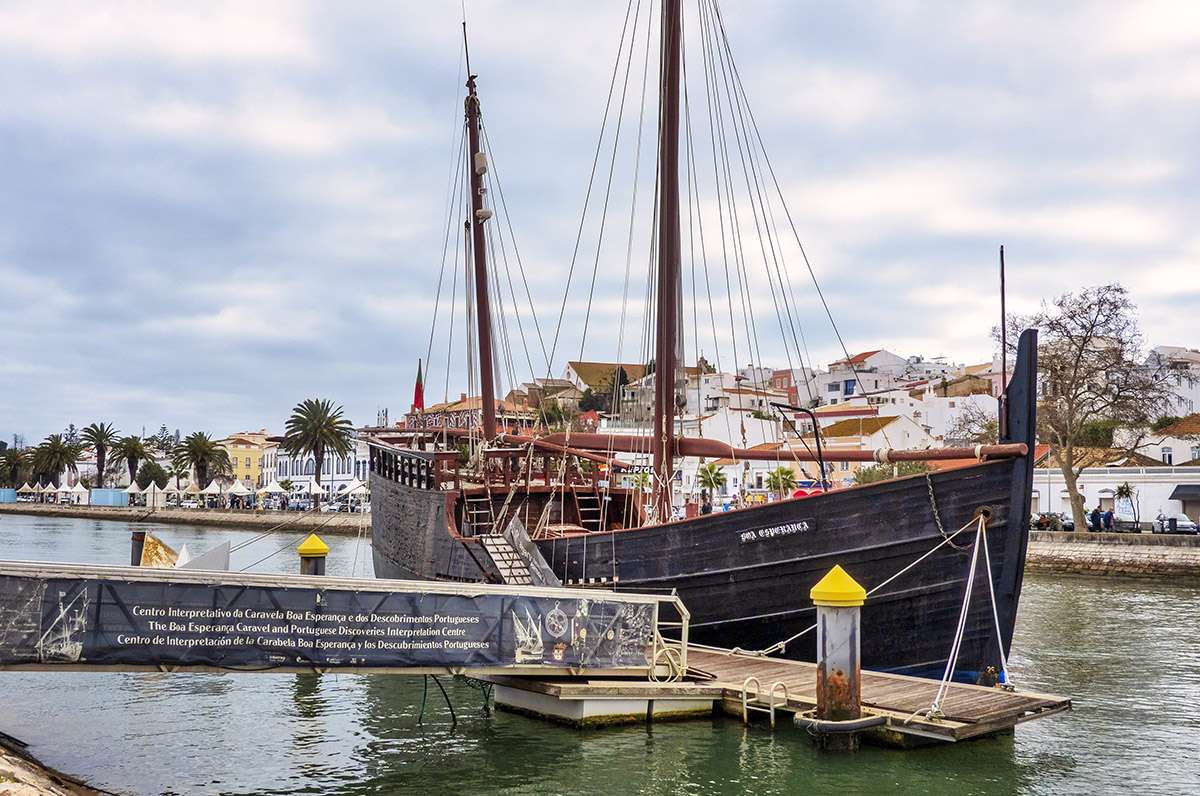
A replica of a 15th-century Portuguese caravel, on display along the river, acts as a floating museum. Its name, Boa Esperança, is translated as Good Hope, after Africa’s Cape of Good Hope. In 1488, Bartolomeu Dias used a ship like this when he became the first European to round the southern tip of Africa.
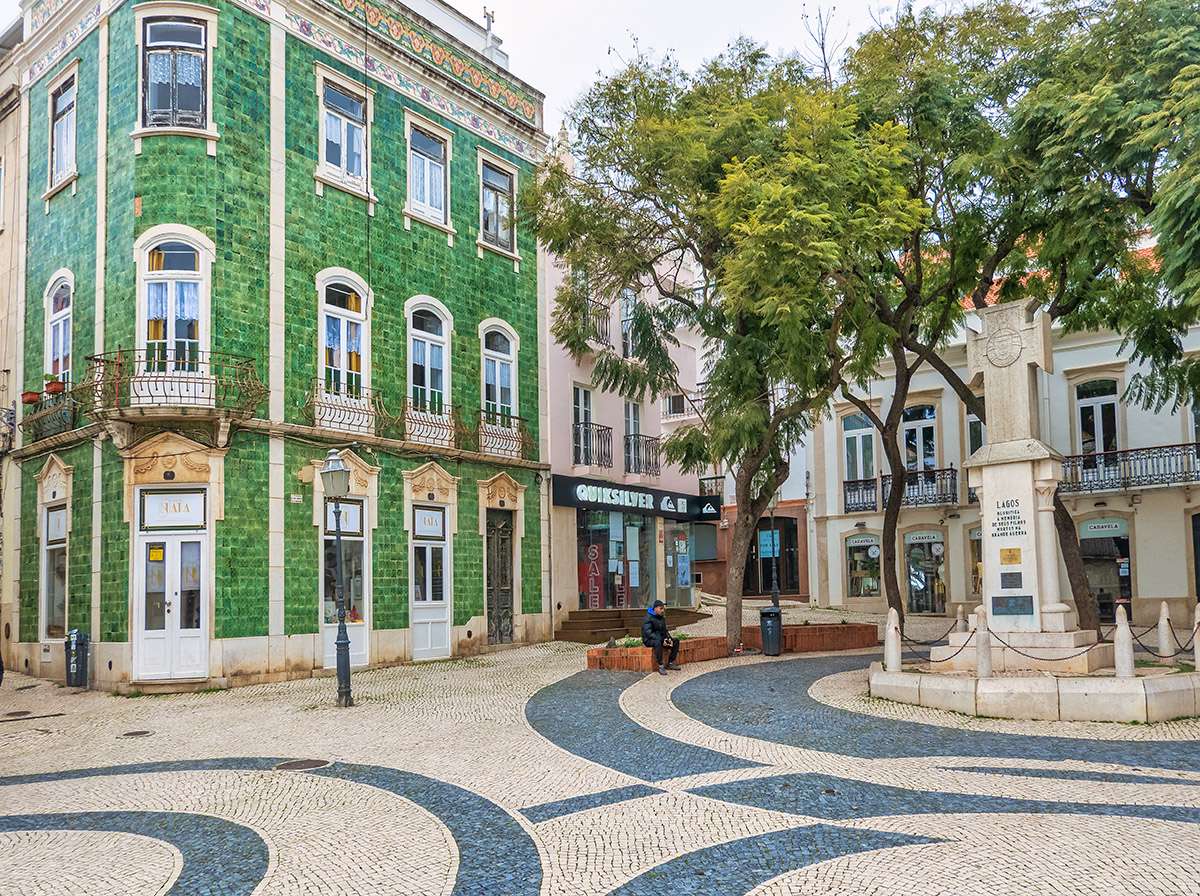
Wandering around Lagos
The river mouth is still central to Lagos today, with a palm tree-lined promenade on one side, next to the historic city centre, and the marina on the other side. A pedestrian bridge connects the two sides. A hint for drivers – parking on the city side of the river is mostly paid, but parking on the marina side is free.
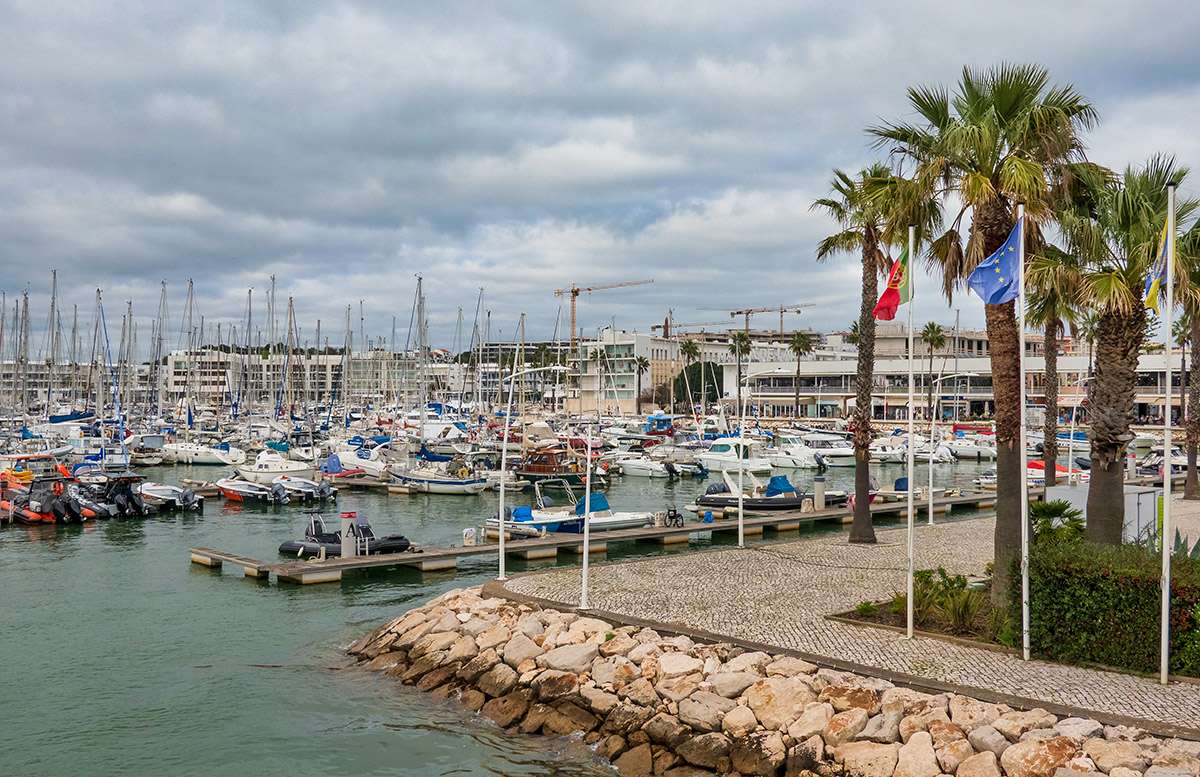
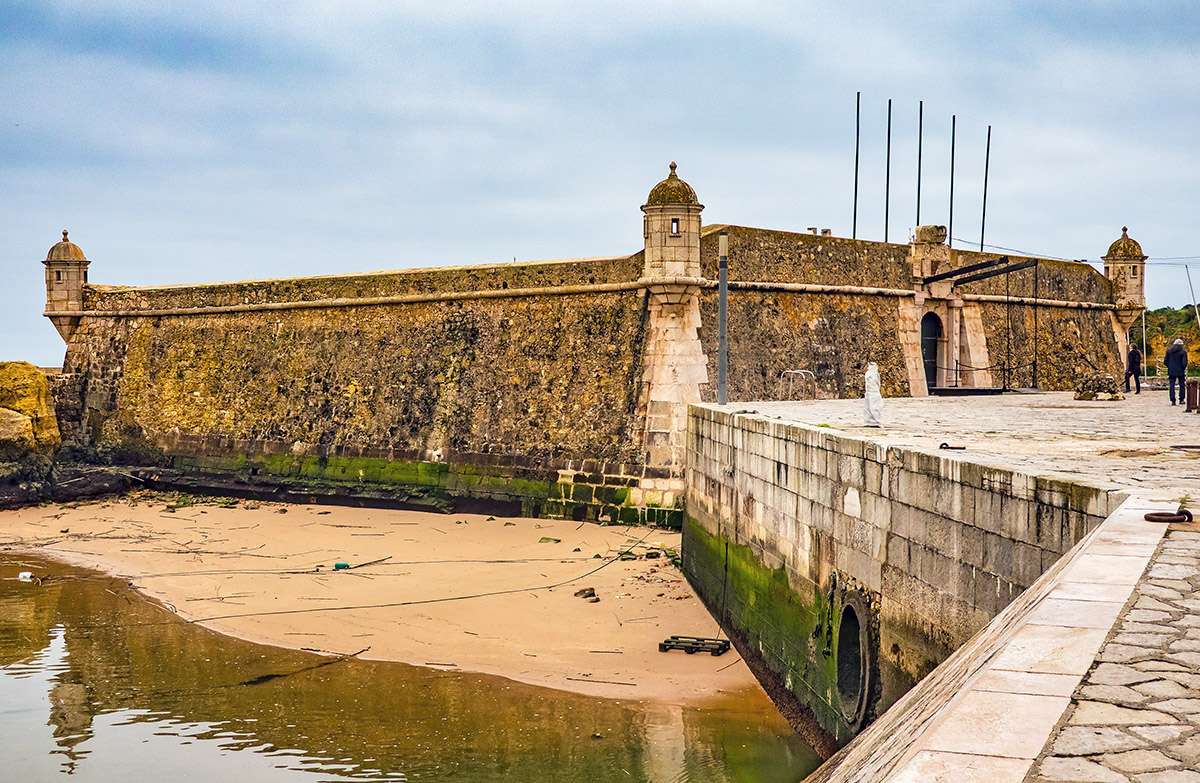
We can see several remnants from Lagos’ heyday when it was the capital of the Algarve from 1576 to 1756. Forte da Ponta da Bandeira played a crucial role in defending the harbour and city from pirates and during the war with Spain. It’s considered the best-preserved 17th-century fort in the Algarve.
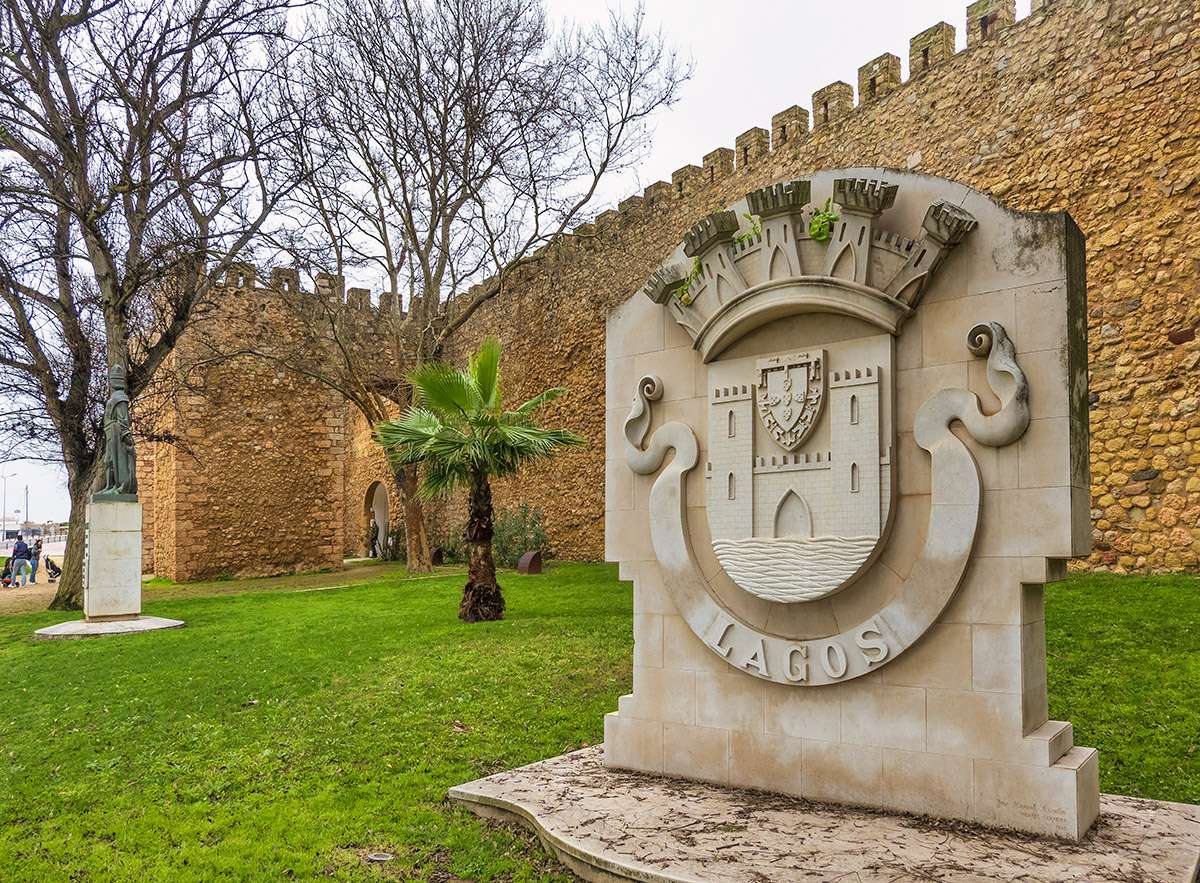
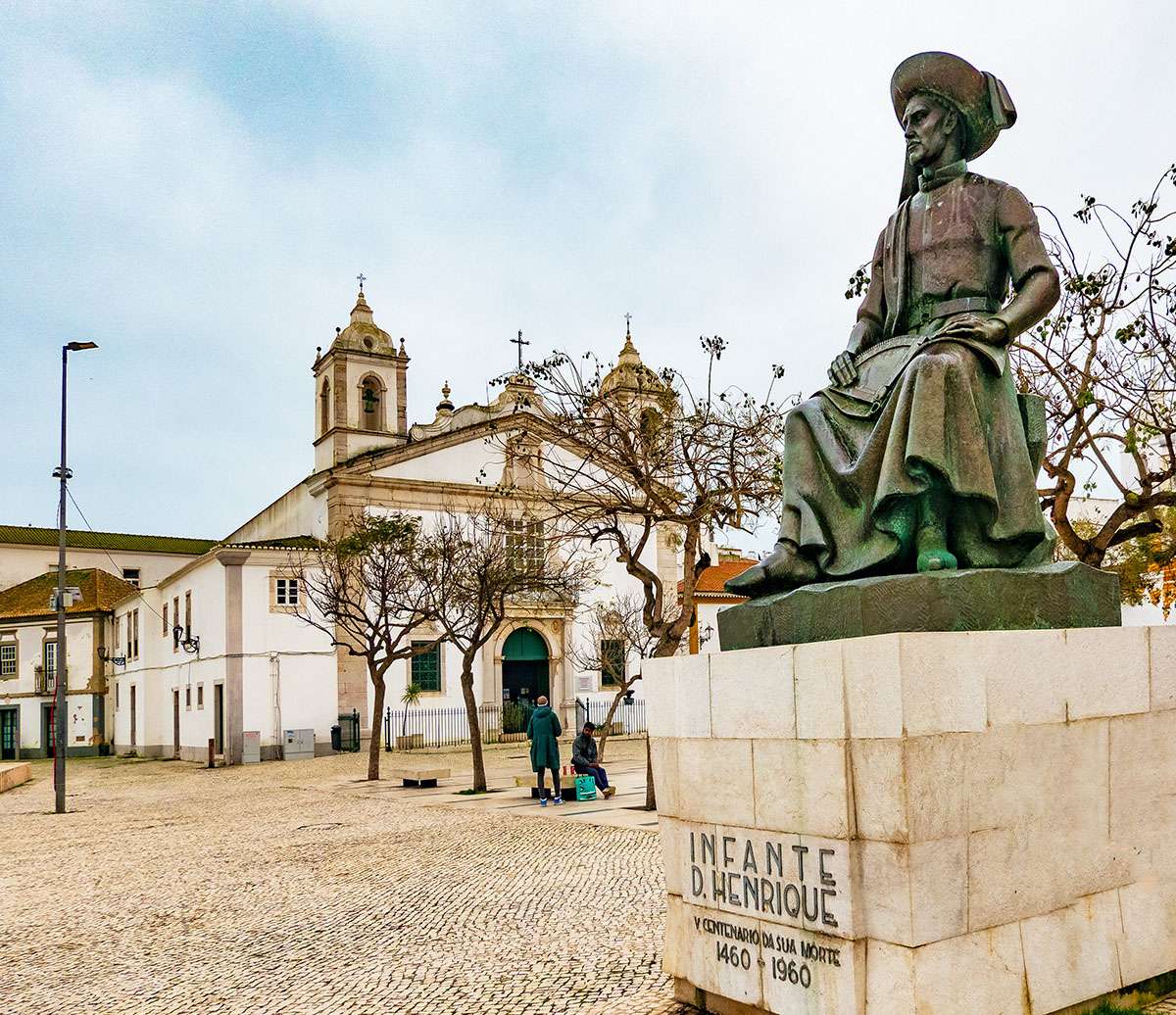
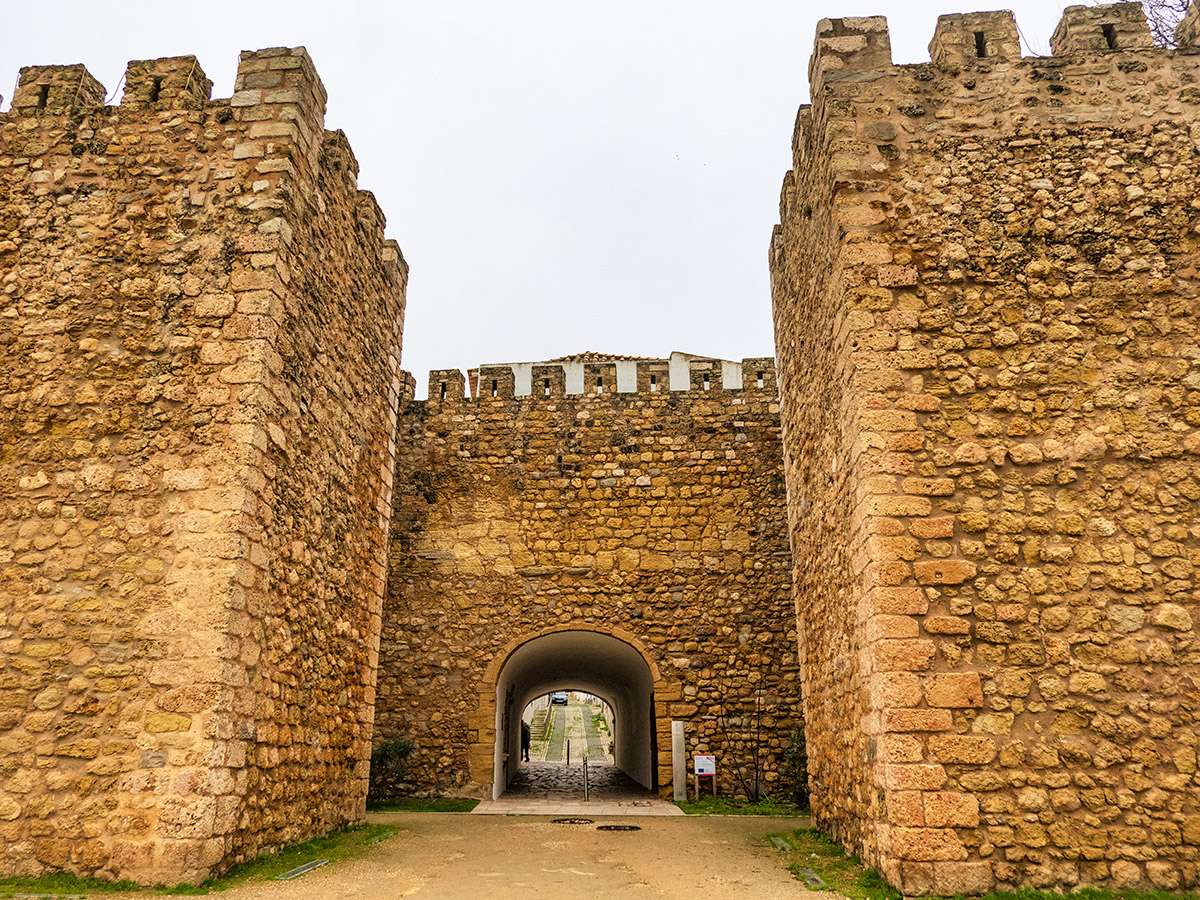
Just across the road, remnants of the massive city wall still stand – up to seven metres thick in places. Here we also find Praça do Infante D. Henrique, dominated by a statue of Prince Henry the Navigator, whose patronage led to early Portuguese explorations in the 15th century. The square also features the church of Santa Maria de Lagos, dating to 1498 but rebuilt over the centuries.
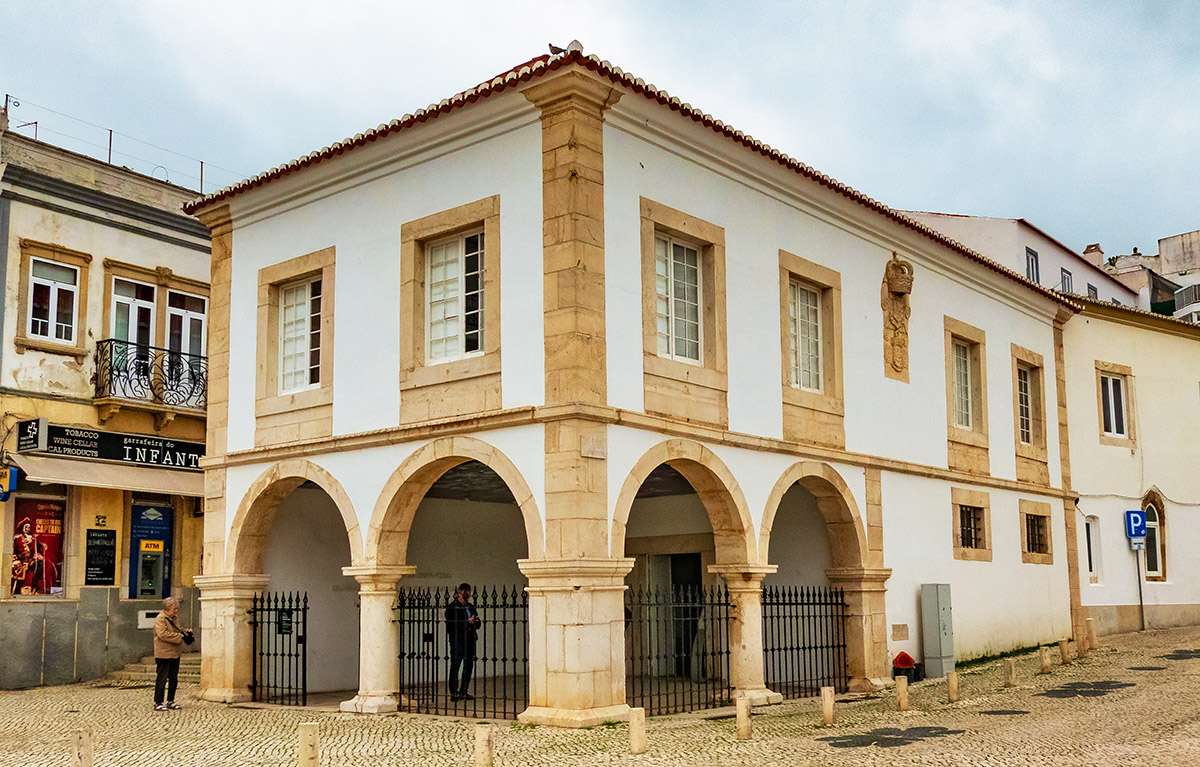
The other side of the square is the site of the former Slave Market and Museum. In 1444, the first slaves to arrive in Europe were sold near the Customs House at the port. While it deals with a sensitive subject, the museum recounts this dark period of history when Portugal played a major role in the slave trade. Panels describe how many slaves were put to work as labourers and as servants in households, and were converted to Christianity. The trade expanded to many of Portugal’s other colonies as well, until it was abolished in the late 18th century.
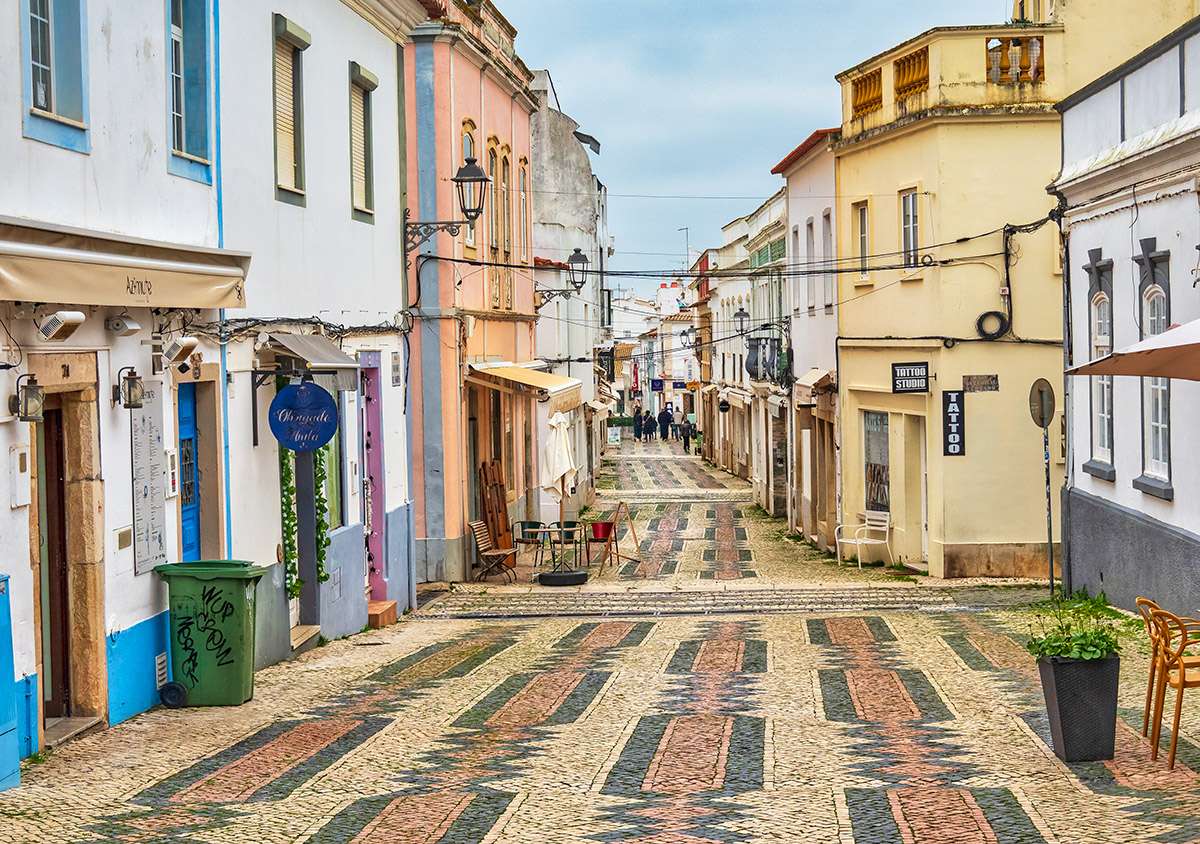
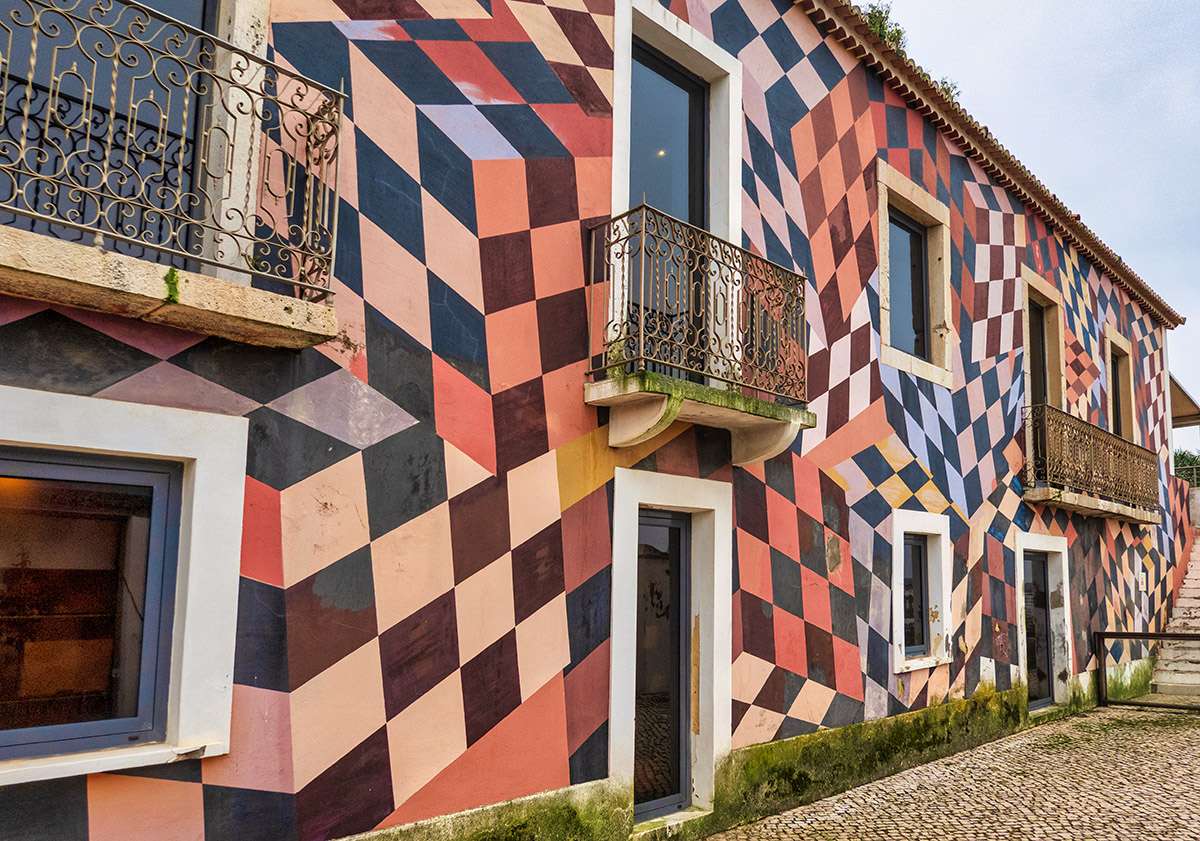
It’s pleasant to simply wander along the pedestrian streets of the old city, lined with restaurants, bars and shops. We find historic buildings galore, along with some intriguing street art and murals.
Ponta da Piedade and the Beaches
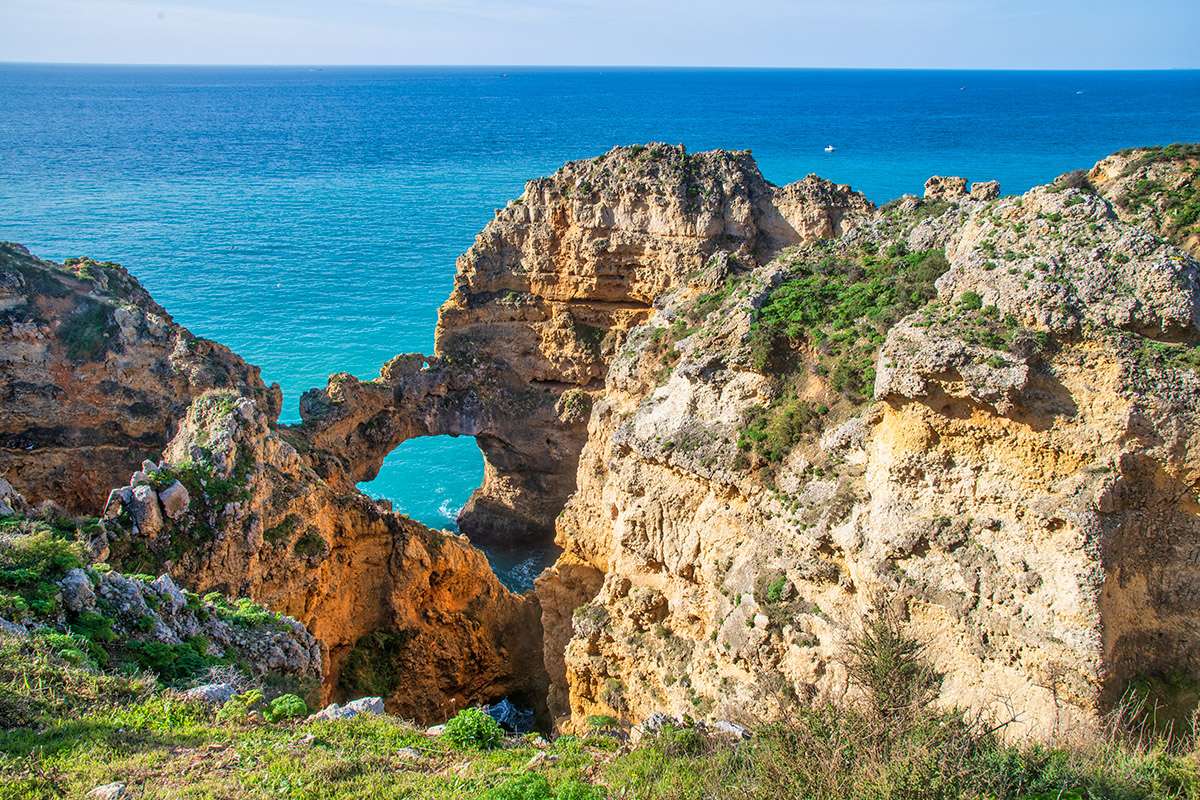
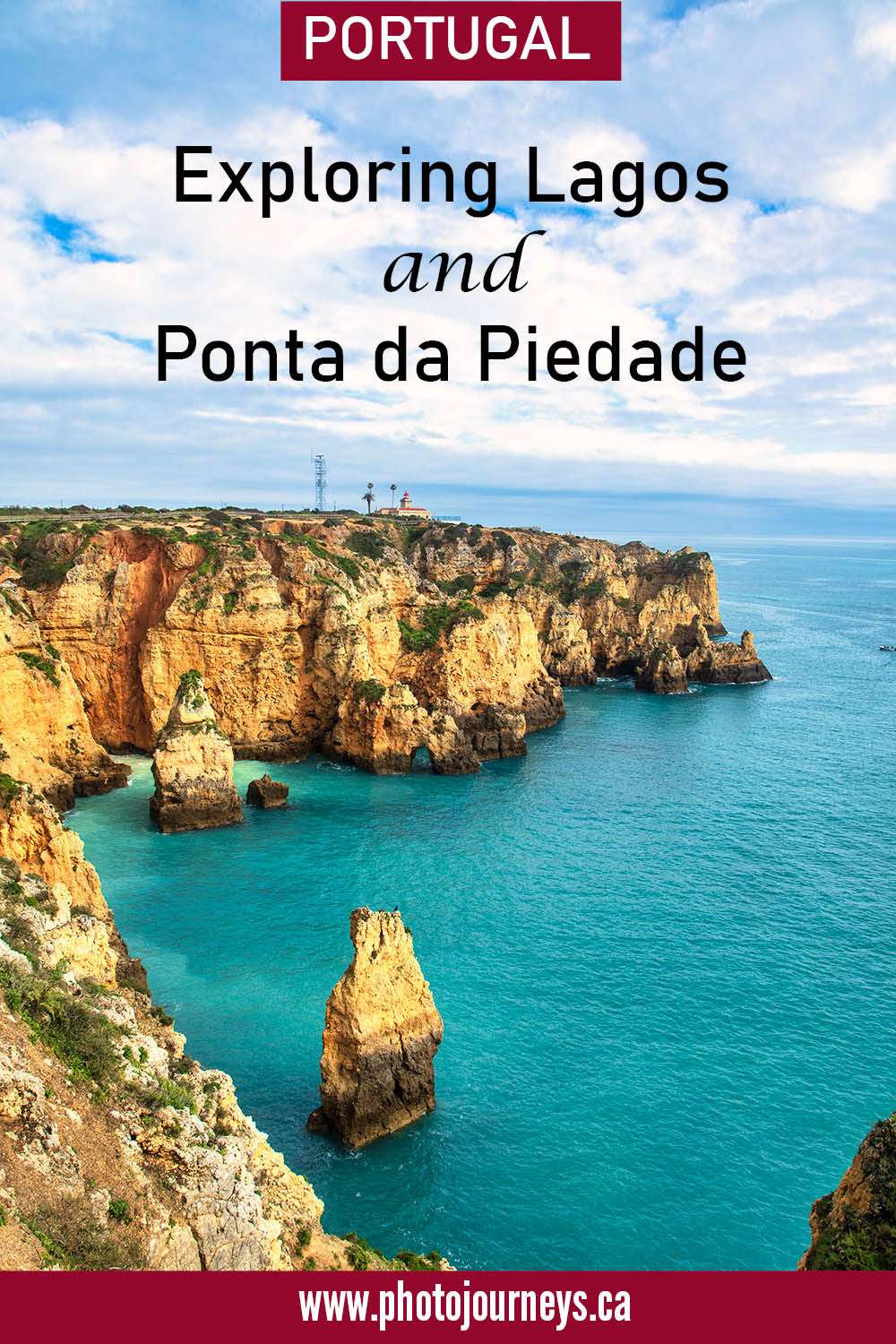
While Lagos city is certainly worth a stroll around, we consider the top reason for visiting, especially for photographers, is Ponta da Piedade on the southern outskirts. This headland jutting into the Atlantic serves up a wonderland of colourful eroded cliffs, grottos, arches, and sea stacks.
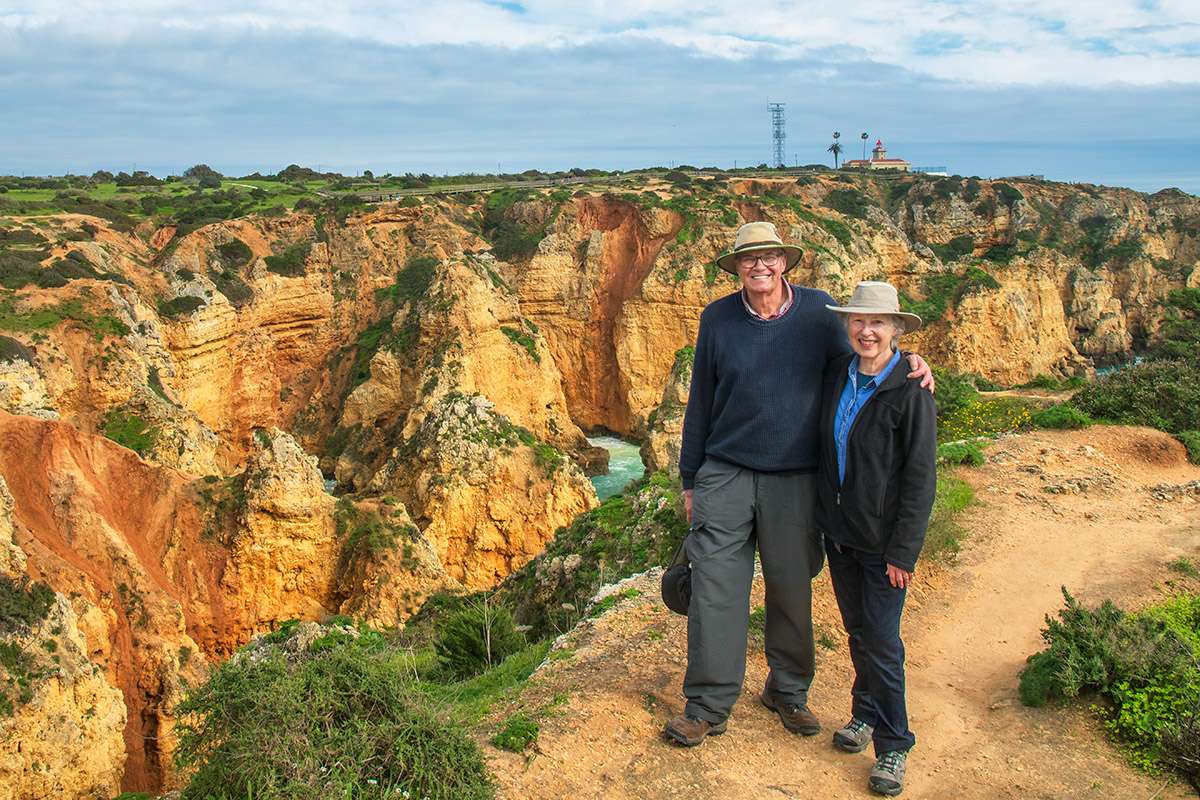
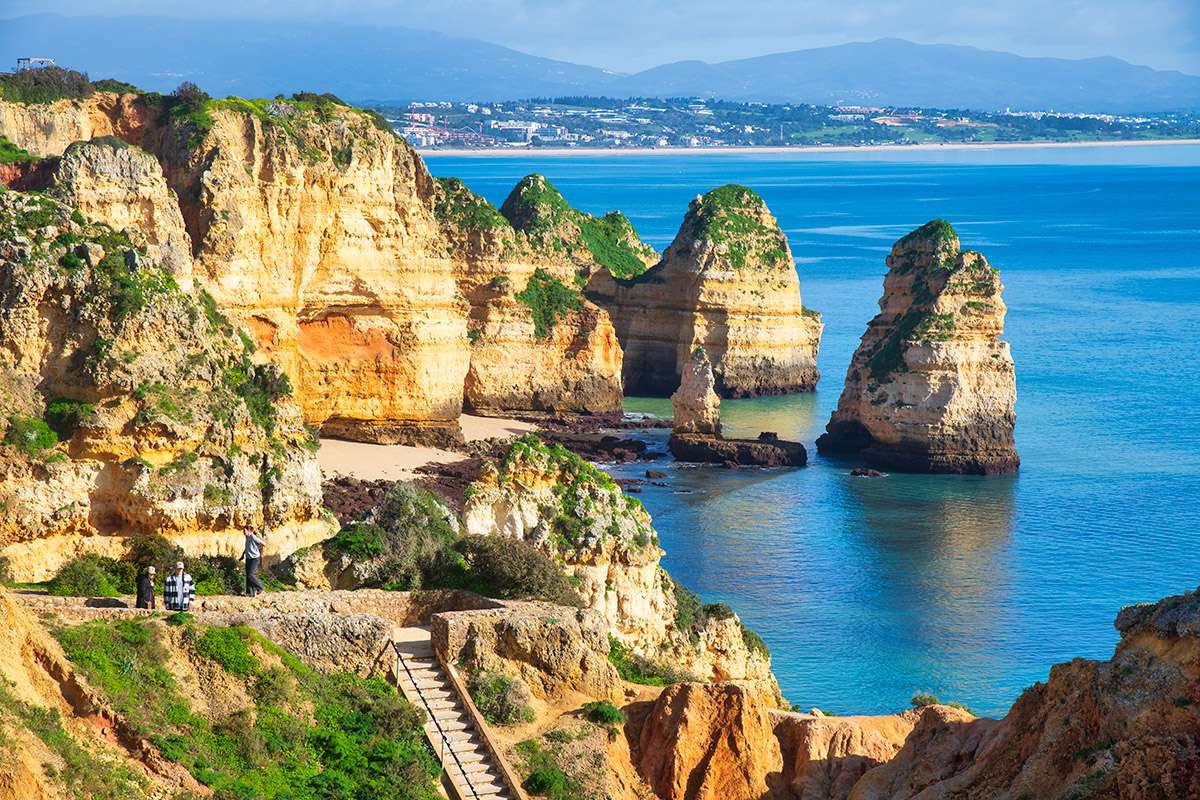
Several viewpoints on the boardwalk pathway along the cliff-tops provide safe places to see the grottos, caverns, and hillside formations, plus you can take the staircase with 182 steps going down for a different vantage point at water level.
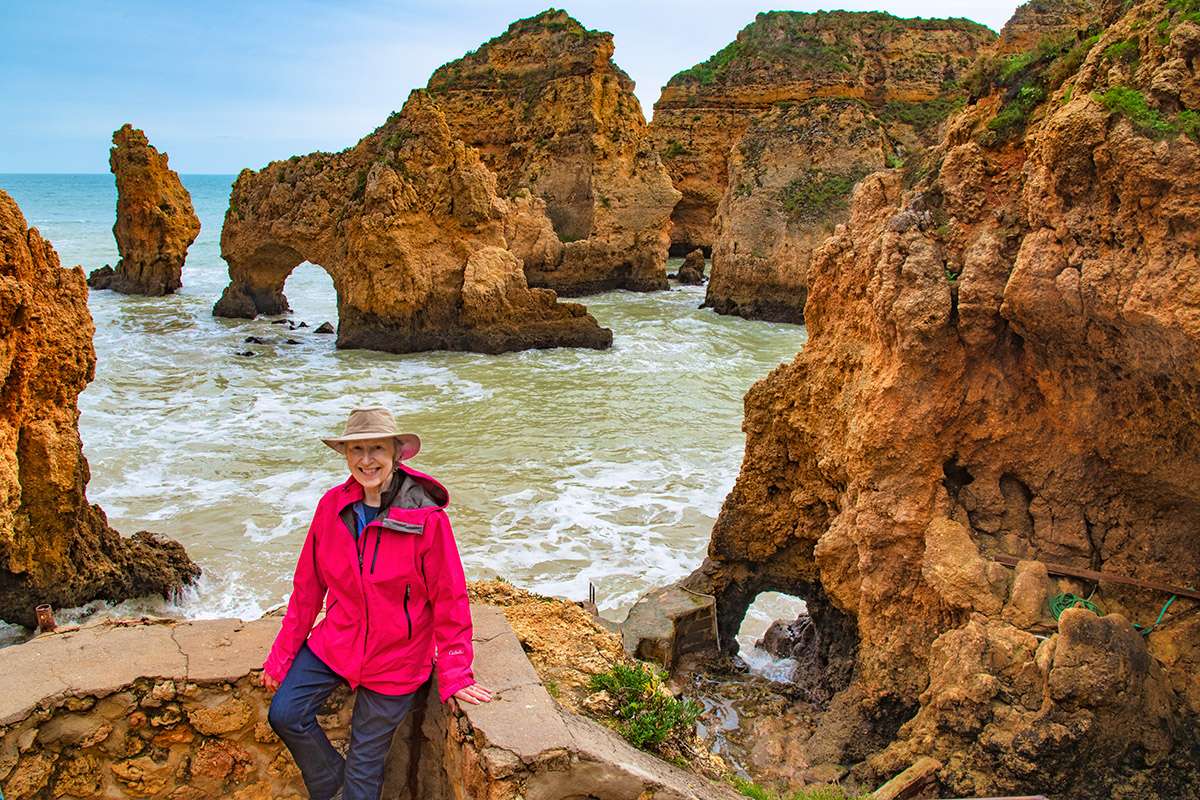
The most amazing part of this area is that it’s not just one spot. The wild scenery extends along the coastline in both directions. The east-facing shore has a series of beaches hiding amongst the cliffs and coves, all connected with trails and boardwalks with viewpoints.
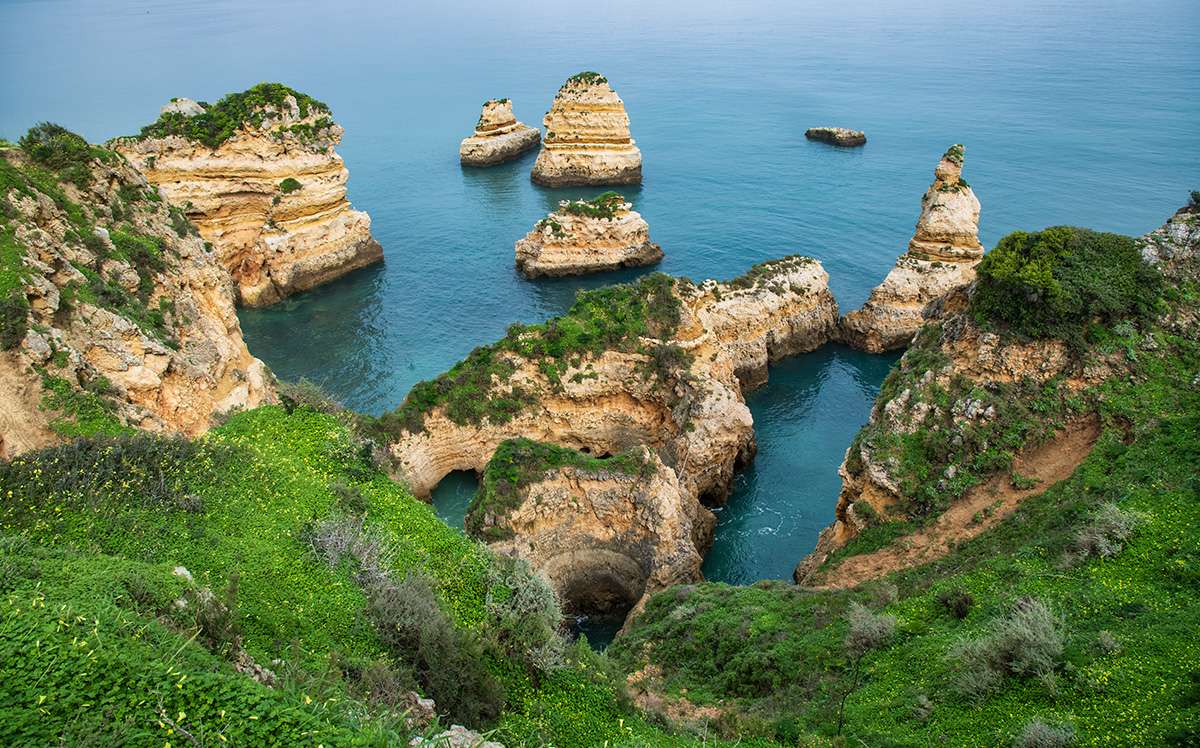
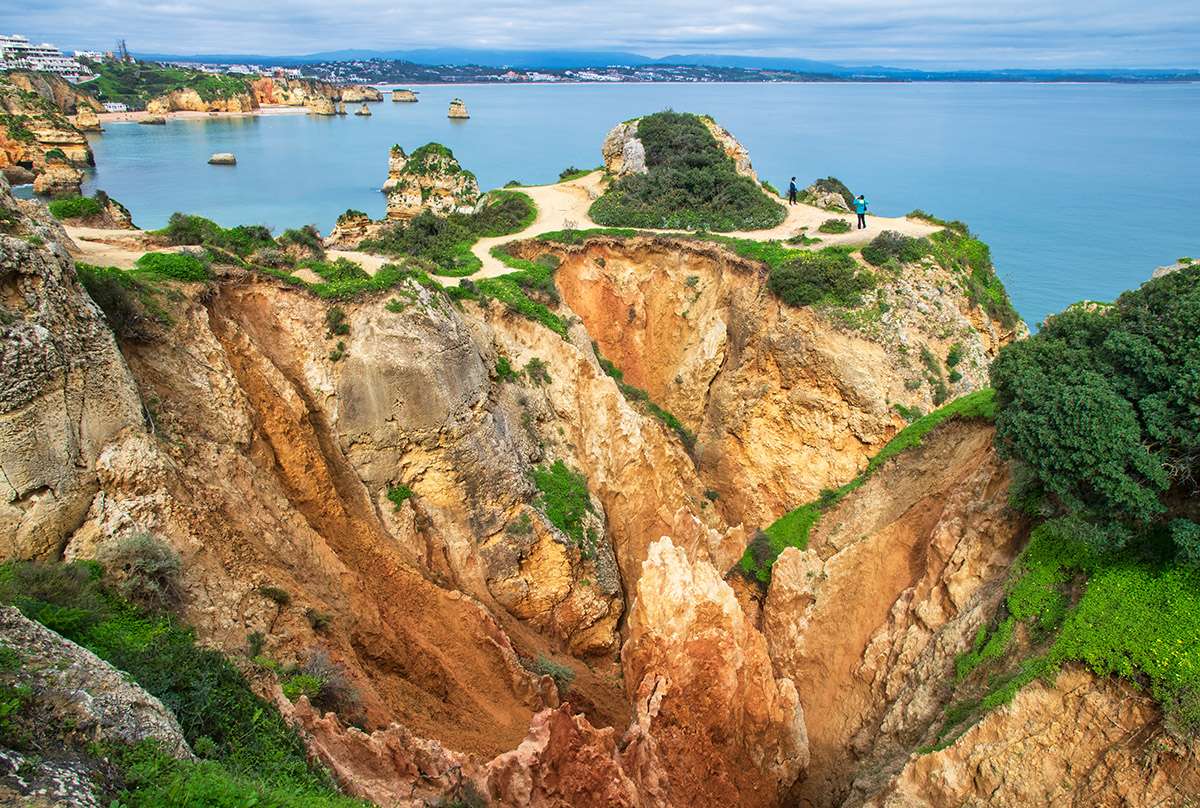
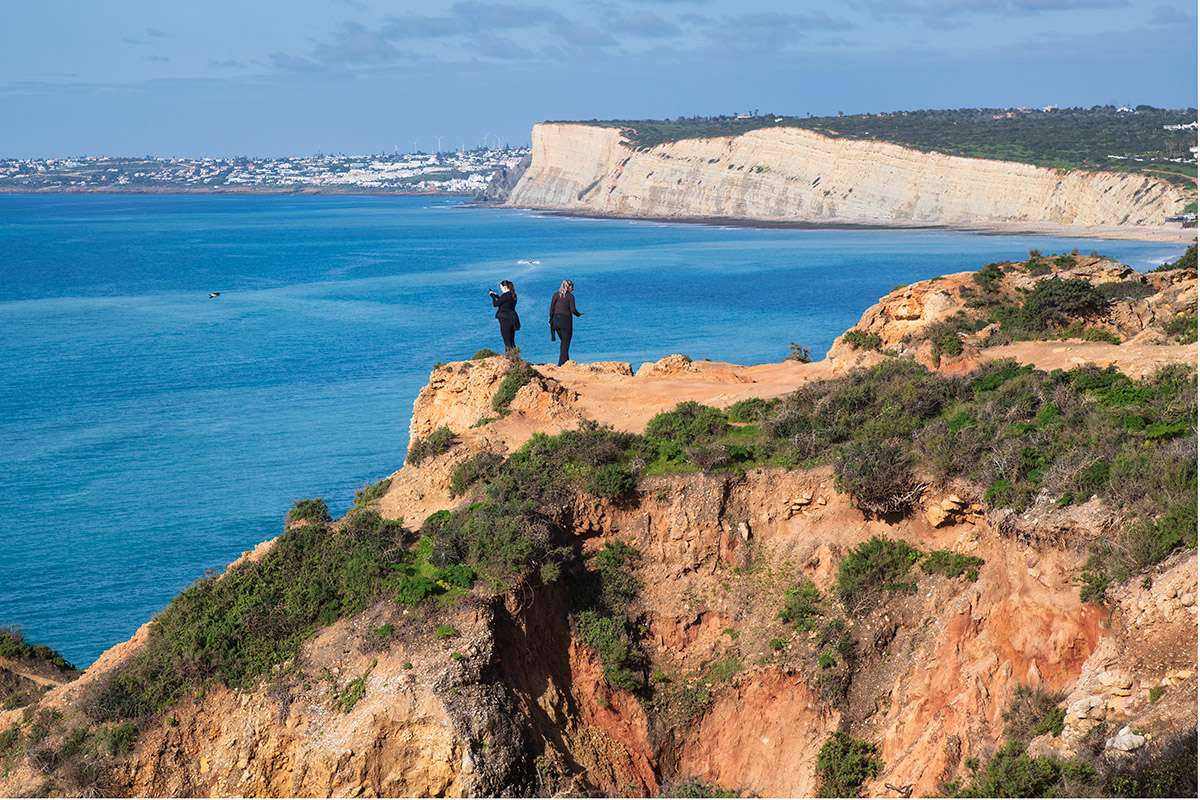
The cliffs near Praia do Camilo, or Camilo Beach, are especially spectacular. Besides boardwalks, informal trails lead closer to the cliffs’ edges, but pay attention to the signs warning of unstable cliffs. Some of the sharp depressions just inland from the cliffs are equally as impressive, with other-worldly formations seeming to drop into oblivion.
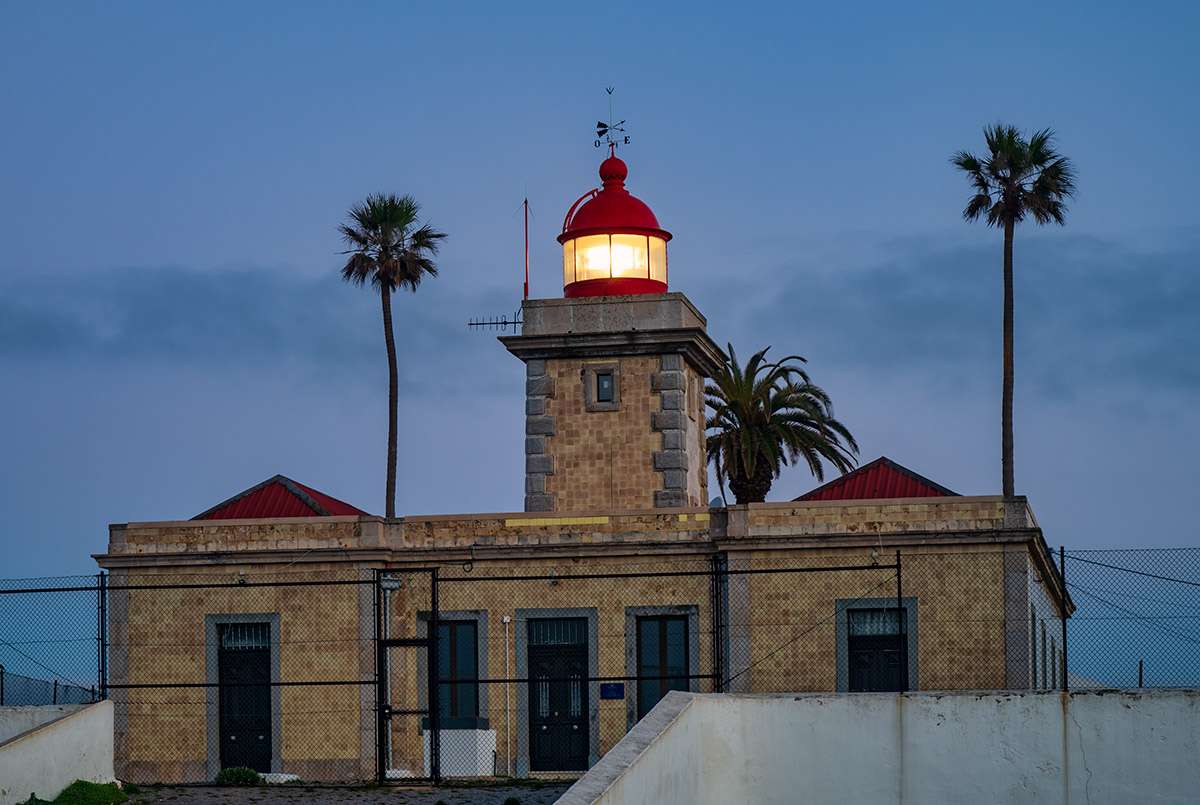
From the lighthouse at the point, another long boardwalk trail, usually with fewer people, heads along the southwest side of the point past more rugged formations, cliffs and archways. Beaches such as Barranco do Martinho, and Canavial which is nestled between cliffs, add to the coastal mix.
Best times for photography
Since Ponta da Piedade juts into the ocean, and we have access to both the eastern and southwestern shores, we can enjoy pleasing low light both early and late in the day. During sunrise, it’s easy to line up the rising sun with cliffs and sea stacks in the foreground. Once the sun is up, the already kaleidoscopic cliffs take on a rich glow. In the evening and near sunset, heading west from the lighthouse is usually the best bet.
We visited in the winter off-season when there was no shortage of free parking in the main lot near the point, as well as in the smaller lot for Camilo Beach, although the latter almost filled up later in the day. When we went to Ponta da Piedade for sunrise, there were only three other cars in the parking lot. Parking could be more of an issue in the busy summer season, and there will definitely be a lot more people around.
Since we were primarily interested in photography and hiking rather than sunbathing or swimming at the beaches, winter was the ideal choice to avoid the crowds, find lower prices for accommodation and rental cars, but still have agreeable weather.
As a major tourist destination, Lagos has a wide array of accommodation. We chose a place near the south end of town, about a 10-minute drive to our main destination at Ponta da Piedade.
Other articles on Portugal you might enjoy
SUBSCRIBE to Photojourneys below
Feel free to PIN this post on Ponta da Piedade and Lagos, Portugal
Wonderful write up and I learned much more than driving around with a Lisboeto Portuguese (i.e. my Canadian) husband. It is such a beautiful country even after 25 years of coming here as a tourist. The Portuguese are very friendly and much like Canadians in their personality. But ssoooo much has changed over time with so many tourist. I agree the best times are Feb or March or late Oct/Nov to have fewer tourist and no line_ups or need for advanced tickets. (And I can’t imagine how hot it is in summer.) BTW I am writing this from Lisbon!)
Marg – you raise good points, and we thank you for your comments. We were also impressed by how friendly and helpful the people are, and they go out of their way to lend a hand if needed.